In the vast landscape of business, commercial trucks and trailers are the unsung heroes, tirelessly transporting goods across the nation. Yet, lurking beneath this facade of reliability are countless risks that can disrupt operations in an instant-an unpredicted accident, a mechanical failure, or even theft can spell financial disaster for unprepared business owners. This is where commercial truck and trailer insurance comes into play, acting as a robust shield of protection in a world fraught with uncertainty. By investing in comprehensive coverage, businesses can not only safeguard their valuable assets but also secure their livelihoods, allowing them to navigate the open road with peace of mind. The right insurance doesn’t just protect against financial loss; it also represents a commitment to responsible risk management, ensuring that each mile traveled is backed by the promise of security and resilience. For more insights on safeguarding your fleet, learn more about risk management strategies and discover how tailored solutions can fortify your business against unforeseen challenges.
Whether you’re an established enterprise or embarking on a new venture, understanding the nuances of commercial truck and trailer insurance is crucial for navigating potential hazards and thriving in a competitive market. Equipping yourself with knowledge and protection not only bolsters your operational capacity but also reflects a proactive approach to sustaining your business amidst ever-evolving challenges.
Comparison of Commercial Truck and Trailer Insurance Coverage
When it comes to commercial truck and trailer insurance, understanding the various types of coverage is essential for business owners. Below is a comprehensive comparison of key coverage types:
| Coverage Type | Description | Importance |
|---|---|---|
| Liability Insurance | – Mandatory coverage for injuries and property damage to others if the truck is at fault. | – Protects against claims from third parties. |
| Physical Damage Coverage | – Includes both collision and comprehensive insurance. |
- Collision: Covers damage from collisions.
- Comprehensive: Covers non-collision incidents (e.g., theft, natural disasters). | – Essential for protecting the truck itself. |
| Cargo Insurance | – Covers loss/damage of goods being transported. | – Vital for businesses that haul freight. |
| Non-Trucking Liability Insurance | – Protects when the truck is driven for personal use instead of commercial purposes. | – Important for liability outside of business use. |
| Uninsured/Underinsured Motorist Coverage | – Protects against accidents involving drivers with no insurance or insufficient coverage. | – Offers additional security in case of such incidents.
Choosing the appropriate insurance type is essential for protecting your trucking business. For further reading on the importance of insurance in the trucking industry, you can learn more about the implications of good coverage and the latest in truck and trailer regulations.
Commercial Truck Accidents: Financial Impact Summary
Commercial truck accidents represent a significant concern for businesses, not only because of the risk to life and property but also due to their substantial financial implications. Here are some key points:
-
Prevalence of Accidents: In the United States, there are over 400,000 accidents involving large trucks each year. These incidents often lead to serious injuries and fatalities, emphasizing the importance of commercial vehicle safety.
-
Financial Burden: The financial impact of a single truck accident can be staggering. According to various studies, the average cost of a commercial truck accident can range from $200,000 to over $1 million, including expenses related to vehicle repair, medical bills, liability claims, and lost productivity.
-
Insurance Costs: Businesses must be aware that their insurance premiums can increase significantly after an accident. In fact, companies may experience policy rate increases ranging from 20% to 100% following a claim. This underlines the necessity of maintaining adequate commercial vehicle insurance.
-
Legal Liabilities: Businesses can also face legal liabilities, which include lawsuits and settlements that could substantially impact their financial standing.
-
Importance of Coverage: To mitigate these risks, investing in comprehensive commercial truck insurance is essential. Insurance can cover damages and liabilities, thus protecting businesses from crippling costs associated with accidents.
Conclusion
The statistics and financial implications of commercial truck accidents highlight the pressing need for robust insurance coverage. With the ever-increasing prevalence of accidents on the road, business owners must prioritize commercial vehicle safety and secure adequate insurance policies. Learn more about the importance of commercial vehicle insurance and protect your business from unexpected financial burdens.
By being proactive about their commercial vehicle policies, businesses can ensure their safeguard against not only the immediate damages associated with accidents but also the long-term financial effects. This approach is crucial for any business that relies on commercial trucks and trailers for their operations.
Commercial truck and trailer insurance provides a multitude of benefits essential for business owners in the logistics and transportation sectors. One of the foremost advantages is legal compliance. In many jurisdictions, it is a legal requirement for commercial drivers to carry insurance, specifically liability coverage. This coverage protects against claims related to bodily injuries or property damage resulting from accidents. Non-compliance can lead to significant financial penalties and even the revocation of operating licenses,
ensuring that businesses remain on the right side of the law is crucial for a smooth operation.
Moreover, commercial truck and trailer insurance plays a significant role in risk mitigation. It safeguards against the financial fallout from accidents, damage, or theft, which could impose heavy costs on unprotected business owners. Insurance policies often cover repair costs, replacements, and medical expenses for injured parties, providing a safety net that allows business owners to focus on running their operations rather than worrying about the potential risks associated with transporting goods on the road. Additionally, many insurance providers offer specialized coverage to protect cargo, which is particularly vital for companies dealing with high-value items. This way, businesses can secure their investments and avoid losses from unforeseen incidents.
Finally, having commercial truck and trailer insurance grants peace of mind to business owners. Knowing that they’re financially protected from various risks allows them to concentrate on growing their businesses and meeting client demands. The assurance that they can manage unexpected incidents without crippling their financial resources is a significant advantage. In summary, commercial truck and trailer insurance is not merely a necessity for legal compliance but also a strategic investment in risk management and operational stability. For more insights on how commercial truck insurance can support your business, check out this informative post.
Frequently Asked Questions (FAQs) About Commercial Truck and Trailer Insurance
Understanding commercial truck and trailer insurance can be daunting for business owners. Here’s a list of frequently asked questions designed to clarify some common concerns:
-
What types of coverage are available?
Commercial truck insurance typically includes: -
Liability Coverage: Compulsory for all trucking operations to cover bodily injury and property damage.
-
Collision Coverage: Pays for damage to the truck from a collision, regardless of fault.
-
Comprehensive Coverage: Covers non-collision-related incidents, such as theft or natural disasters.
-
Cargo Insurance: Protects the freight being transported from damage or loss.
-
Physical Damage Coverage: Covers damage to your truck, including repairs or replacement.
-
How is the insurance premium determined?
Factors influencing premiums include: -
Type of vehicle
-
Vehicle value
-
Driving history of the operators
-
Types of coverage selected
-
Annual mileage and usage of vehicles
-
Is insurance required for all types of trucks?
Yes, all commercial trucks must have insurance, regardless of their size or whether they are for-hire or owner-operated. -
What should I do if my truck is involved in an accident?
Notify your insurance provider immediately and provide all necessary documentation, including accident reports, to initiate the claim process. Following their guidelines will help expedite the claims procedure. -
Can I choose a custom coverage plan?
Yes, many insurers offer customizable plans. Depending on your business needs, you might add additional coverages or choose a higher deductible to lower your premium. -
How do claims work for cargo loss?
If there’s a cargo loss, notify your insurer and gather evidence of the loss, as well as any supporting documents from the consignee. This helps facilitate the claim process.
Developing a clear understanding of these questions can help business owners make informed decisions about their insurance needs. For additional information, check out our article on how to get the right coverage.
If you seek more detailed insights about the costs associated with commercial truck and trailer insurance, please refer to our detailed guide on insurance costs.
“Commercial auto insurance is not just a regulatory requirement; it is a vital component of a comprehensive risk management strategy for businesses that rely on vehicles. Adequate coverage protects against financial losses due to accidents, ensuring business continuity.”
- As highlighted by industry experts at IRM Insurance on the necessity of commercial auto insurance for businesses.
Commercial vehicle insurance plays a crucial role for businesses that use trucks and trailers. It not only offers protection against losses resulting from accidents but also helps in managing liabilities that can arise unexpectedly. This is essential for maintaining operational stability and safeguarding financial interests.
Common Misconceptions About Commercial Truck Insurance
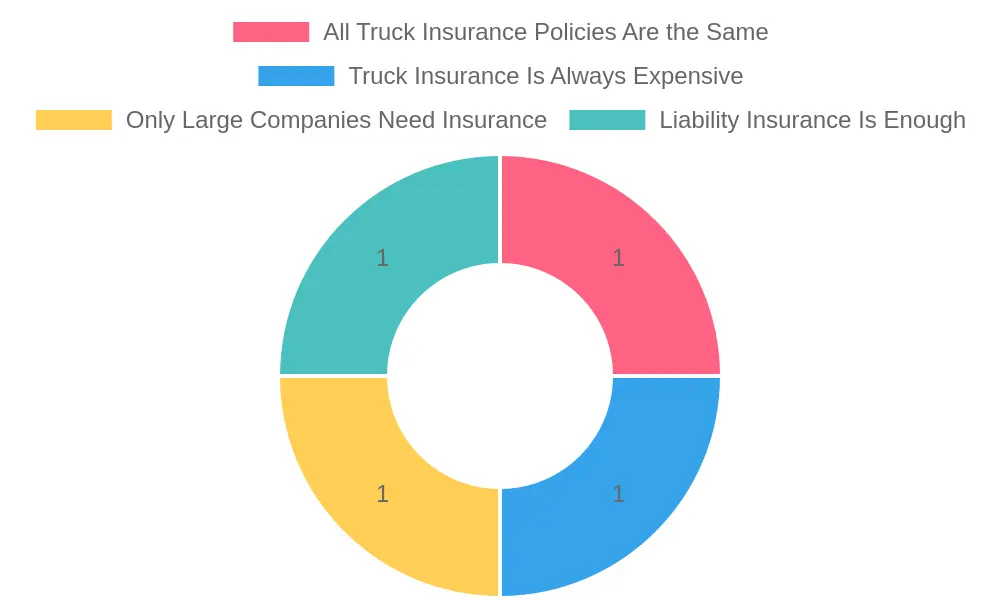
Business owners often hold numerous misconceptions about commercial truck insurance that can lead to costly mistakes and inadequate coverage. One prevalent myth is that all truck insurance policies are the same, which could not be further from the truth. Different insurers offer various coverage options tailored to suit the specific needs of trucking operations, influenced by factors such as cargo type, driving zones, and driver experience. Another common misconception is that truck insurance is always prohibitively expensive; however, insurance rates vary significantly depending on several aspects, including a company’s safety record and the nature of its operations.
Additionally, many believe that only large-scale trucking companies require insurance. This is a misguided notion; all commercial trucking operations, regardless of size, are legally required to carry insurance to protect against potential liabilities and damages. Furthermore, some business owners mistakenly think that simply having liability insurance is sufficient. While liability coverage is mandatory, it often does not provide comprehensive protection, leaving operators vulnerable to losses that insurance may not cover-such as cargo damage or vehicle repairs.
For a deeper understanding of these misconceptions, consider checking out various resources on truck insurance myths debunked and the differences in coverage options available for different business needs. Below is a visual representation summarizing these misconceptions:
By educating themselves about these common misunderstandings, business owners can make informed decisions about their commercial truck insurance policies and ensure proper coverage.
Growth Trends in the Commercial Truck Insurance Market
The commercial truck insurance market has witnessed significant growth in recent years, primarily influenced by various factors including rising claims and increasing premiums. A detailed analysis of the average insurance costs demonstrates this upward trend.
Average Insurance Cost per Mile (2019-2023)
| Year | Average Insurance Cost per Mile ($) |
|---|---|
| 2019 | 0.080 |
| 2020 | 0.085 |
| 2021 | 0.087 |
| 2022 | 0.090 |
| 2023 | 0.099 |
Visual Representation
The chart below illustrates the growth of the average insurance costs for commercial trucks from 2019 to 2023:
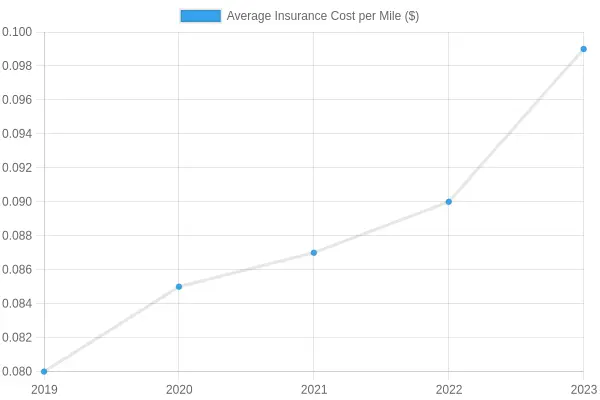
As seen in the chart, the average insurance cost per mile has increased steadily, reflecting the growing challenges within the trucking industry. Factors contributing to these rises in costs include a notable 12.5% increase in premiums in 2023 compared to the previous year, reaching $0.099 per mile. This trend not only reflects the dynamics of the insurance market but also poses challenges for business owners who must adapt to these rising costs.
For more insights on how these trends affect your operations, learn more about commercial truck and trailer insurance.
Sources:
Conclusion
In the landscape of business ownership, safeguarding your investments is paramount, particularly in the trucking industry where reliability, safety, and compliance play critical roles. Commercial truck and trailer insurance serves as a safeguard against unforeseen circumstances that can lead to significant financial loss, ensuring your operations run smoothly even in the face of accidents or damages. Moreover, securing comprehensive coverage helps protect your assets and builds trust with clients, as it shows your commitment to responsible business practices.
As a business owner, understanding the nuances of your insurance options is key to making informed choices that align with your operational needs. Now is the time to act! Don’t leave your business vulnerable to risks; reach out to us today for customized quotes and expert assistance. Our team at Truck Trailer MFG is here to guide you through the process, ensuring you find the right coverage tailored for your fleet’s specific requirements. Learn more about our offerings and safeguard your business with confidence!