Understanding the weight of a tractor trailer truck is not just a matter of compliance; it is a pivotal aspect for business owners looking to optimize their transportation operations and control costs. The weight of a truck influences a wide variety of operational factors including fuel efficiency, load capacity, and the legal regulations governing road usage. These regulations, often imposed by entities like the Federal Motor Carrier Safety Administration (FMCSA), can affect the routes that are permissible and the potential fines associated with overweight violations. Furthermore, a truck’s weight directly correlates with transportation costs, as heavier loads typically require more fuel and may lead to higher maintenance expenses. In today’s competitive market, understanding these dynamics is essential for making informed decisions that can impact profitability. By taking the time to comprehend how trailer weight affects operations, businesses can not only enhance their logistics strategies but also ensure compliance with evolving regulations, thereby mitigating risks and fostering sustainable growth in the transportation sector. Learn more about regulatory changes that could impact your operations
Tractor Trailer Truck Components
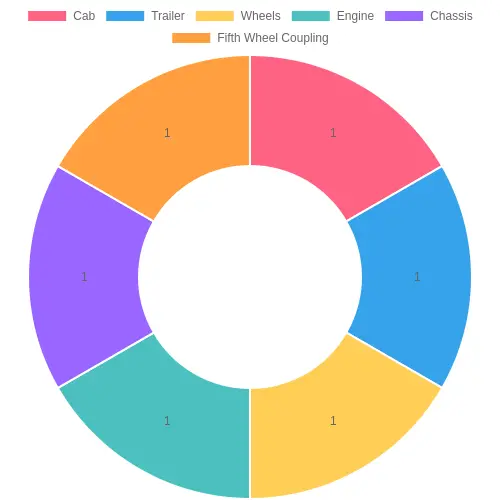
Understanding the various components of a tractor trailer truck is crucial for business owners who manage logistics and transportation. Each component contributes to the overall weight of the vehicle, which is essential for compliance with legal regulations and for efficient operation. Below is a detailed look at the primary components of a tractor trailer truck:
-
Chassis:
-
Represents the framework of the truck. It includes the engine, axles, wheels, and suspension.
-
Typically accounts for about 20% of the total weight of the truck.
-
Trailer:
-
The trailer is a separate unit that carries the cargo.
-
This important component can weigh approximately 30% of the total truck weight. The trailer’s design can significantly influence weight distribution.
-
Cargo:
-
This includes any goods or materials being transported.
-
Cargo can vary greatly in weight, often making up 40% of the total weight of the truck. The nature of the cargo will also influence the overall operation and efficiency.
-
Cab:
-
The cab is the part of the truck where the driver sits and operates the vehicle.
-
It generally constitutes about 10% of the total weight.
The combined weight of these components can lead to a total weight reaching up to 80,000 lbs (36,287 kg) or more, depending on regulations and configurations.
For a visual representation of how these components distribute weight in a tractor trailer truck, refer to the chart below:

This knowledge is vital for ensuring compliance with transportation regulations and optimizing the load for safety and efficiency. For more insights on truck specifications and regulations, you can learn more about semi-trailer trucks and how they operate.
Average Weights of Different Types of Tractor Trailer Trucks
| Truck Type | Average Weight (lbs) | Average Weight (kg) | Common Uses |
|---|---|---|---|
| Flatbed Trucks | 15,000 – 30,000 | 6,800 – 13,600 | Transporting heavy materials and equipment |
| Refrigerated Trucks | 20,000 – 40,000 | 9,000 – 18,100 | Transporting perishable goods |
| Box Trucks | 10,000 – 26,000 | 4,500 – 11,800 | Deliveries, moving services |
Summary of Average Weights
- Flatbed Trucks: Weigh between 15,000 to 30,000 pounds depending on size and load capacity.
- Refrigerated Trucks: Range from 20,000 to 40,000 pounds, essential for maintaining temperature-sensitive cargo.
- Box Trucks: Generally weigh between 10,000 to 26,000 pounds, widely used for moving and delivery services.
Conclusion
Understanding average weights can aid in logistics planning and vehicle selection. Always consider the specific needs of your operation and consult manufacturers for detailed specifications.
For more detailed information on truck manufacturing, you can learn more about truck types and their uses.
Legal Weight Regulations for Tractor-Trailer Trucks
Tractor-trailer trucks play a crucial role in the transportation sector, carrying a substantial amount of cargo across various jurisdictions. However, they are subject to legal weight regulations that vary depending on federal and state laws. Understanding these regulations is essential for business owners in the trucking industry to ensure compliance and avoid hefty fines.
Federal Regulations
In the United States, the maximum legal weight for a tractor-trailer truck operating on interstate highways is generally set at 80,000 pounds. This limit includes the combined weight of the truck, the trailer, and the cargo. It’s important to note that individual axle weight limits must also be observed to maintain safety and prevent road wear. The federal guidelines specify:
- Single axle weight limit: 20,000 pounds
- Tandem axle weight limit: 34,000 pounds
These regulations are enforced by the Federal Highway Administration (FHWA), which is responsible for overseeing weight limits and ensuring that all commercial motor vehicles adhere to them. For more details, visit the FHWA’s guidelines.
State Regulations
While federal regulations provide a baseline for weight limits, individual states can impose additional restrictions or variations to adapt to local infrastructure and safety considerations. For instance:
- California: The state has different weight limits for specific routes and types of vehicles, potentially allowing only lower weights for roads not designed for heavy trucks.
- Texas: Offers weight limits that may go above 80,000 pounds for certain permits, primarily for oversize loads.
- Florida: Adopts strict enforcement of weight limits, often requiring permits for vehicles exceeding 80,000 pounds.
Due to these variations, business owners must be aware of the specific regulations in each state where they operate. It is advisable to consult state Department of Transportation (DOT) websites for detailed information and any recent changes in weight regulations.
Importance of Compliance
Compliance with weight regulations is vital for several reasons:
- Safety: Overweight trucks can lead to increased risk of accidents and damage to road infrastructure.
- Financial Implications: Violating weight limits can result in fines, legal penalties, and increased insurance costs.
- Operational Efficiency: Understanding and adhering to weight laws can optimize route planning and improve overall operational efficiency.
For further insights on trucking regulations, check resources such as Trucking Truth. These resources can guide you through the complexities of federal and state weight limits, ensuring your business remains compliant and efficient.
The weight of a tractor trailer truck is influenced by several key factors that business owners need to consider for operational efficiency and regulatory compliance. Understanding these factors can lead to better load management and enhanced vehicle performance.
1. Cargo Type
The type of cargo being transported plays a substantial role in determining the overall weight of a tractor trailer truck. Different types of trailers have varying weight capacities, which can significantly affect the total weight. Here are some typical cargo weight considerations:
- Dry Van Trailers: These can typically carry a full load between 44,000 to 80,000 lbs (approximately 20,000 to 36,000 kg).
- Flatbed Trailers: Often used for transporting heavy items like machinery, these can reach payloads up to 48,000 lbs (around 22,000 kg).
- Reefer Trailers (Refrigerated): Used for perishable goods, they have similar weight limits to dry vans, usually between 44,000 to 60,000 lbs (20,000 to 27,000 kg).
- Tanker Trailers: The weight can vary based on the liquid transported, typically ranging from 30,000 to 40,000 lbs (13,000 to 18,000 kg) for the tank itself.
For more on truck weight regulations, refer to the FMCSA guidelines.
2. Fuel Load
Fuel weight is another critical factor. The weight of fuel can fluctuate based on how much is loaded on the truck at any given time. For example, diesel has a density of about 7.1 lbs per gallon, and a full fuel tank in a typical tractor trailer could weigh around 1,000 lbs (about 450 kg or more), depending on the tank capacity. This weight will directly affect the truck’s total weight and efficiency. It is crucial for drivers and fleet operators to manage fuel load appropriately to remain within legal weight limits.
3. Additional Equipment
The weight of any additional equipment that a tractor trailer carries also contributes to the total weight. This might include:
- Safety Gear: Items such as tarps, straps, and chains used to secure cargo can add a few hundred pounds.
- Onboard Technology: GPS systems, electronic logging devices, and other tech add weight yet are often essential for modern operations.
- Maintenance Supplies: Tools or spares carried for repairs can also lead to an increase in weight.
Understanding how these additional components contribute to the overall mass of the truck is vital for compliance with state and federal weight regulations. For insights into how weight affects performance, you can read more in Overdrive Magazine.
Conclusion
By considering the factors of cargo type, fuel load, and additional equipment, business owners can optimize their trucking operations for efficiency and regulatory compliance. Monitoring these elements will help avoid costly penalties associated with overweight loads and improve overall fleet performance, leading to enhanced operational productivity.
Weight Distribution of a Fully Loaded Tractor Trailer Truck
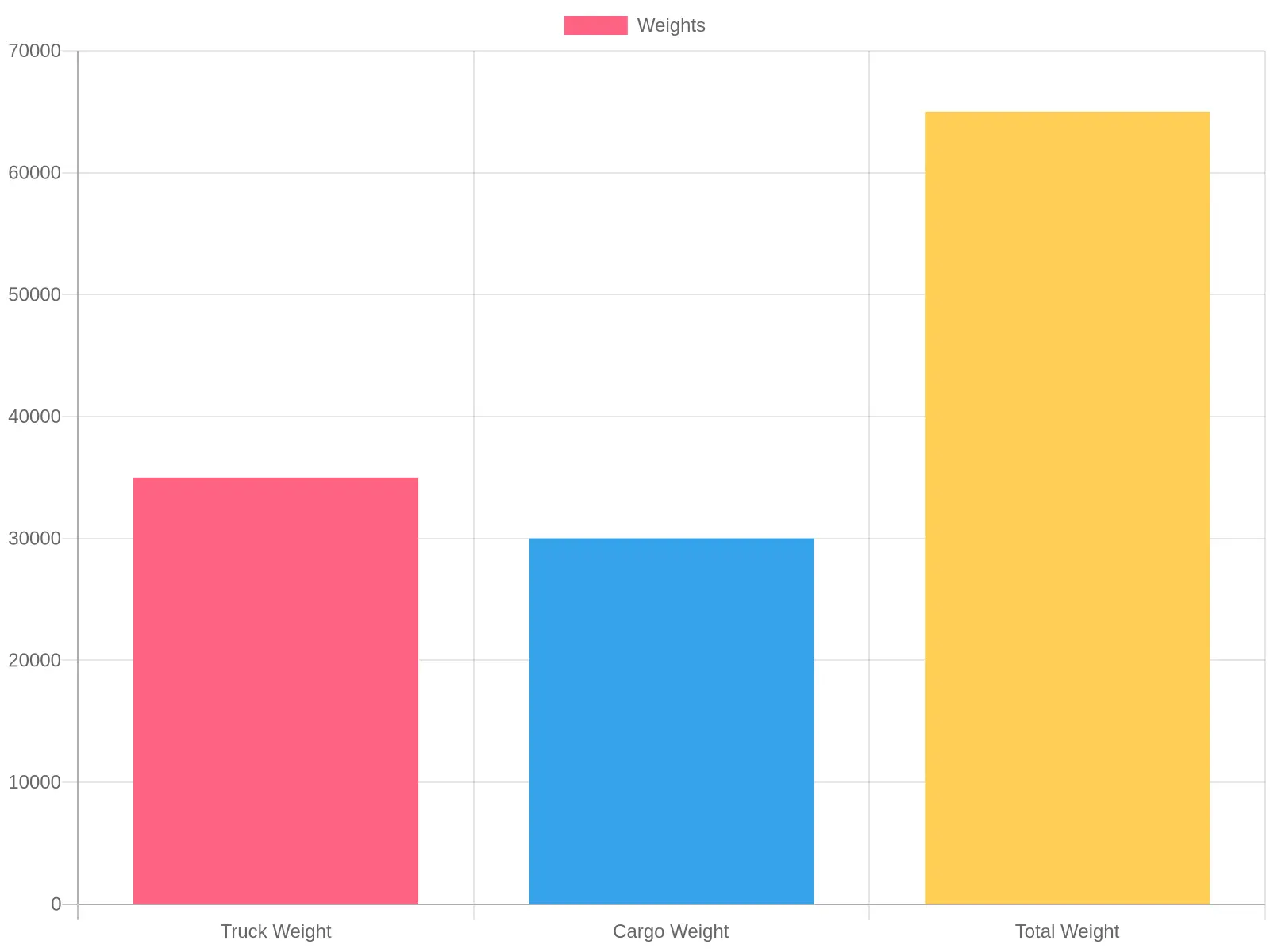
Understanding the weight distribution in a fully loaded tractor trailer truck is crucial for ensuring safety and compliance with regulations. The following chart illustrates the breakdown of the weights:
| Category | Weight (lbs) |
|---|---|
| Truck Weight | 35,000 |
| Cargo Weight | 30,000 |
| Total Weight | 65,000 |
For business owners in the trucking industry, ensuring proper weight distribution can lead to better fuel efficiency, improved handling, and adherence to legal weight limits. Learn more about truck weight regulations to stay compliant and optimize your fleet’s performance.
The Impact of Weight on Fuel Efficiency
When it comes to the operation of tractor trailer trucks, weight plays a pivotal role in fuel efficiency and overall operational costs. A tractor trailer truck’s weight directly influences several critical aspects of its performance, particularly how much fuel it consumes. In essence, the heavier the truck, the more fuel it needs to move.
Fuel Consumption and Weight
Fuel efficiency is a critical concern for the logistics industry, especially for business owners looking to manage costs effectively. The fuel consumption of a tractor trailer is typically expressed in miles per gallon (MPG). Research shows that for every 1,000 pounds of cargo, a truck’s fuel efficiency can be reduced by around 1%. This means that a heavier load could significantly increase fuel expenditure, ultimately affecting profit margins.
For example, a fully loaded tractor trailer weighing 80,000 pounds may average about 6.5 MPG, whereas a lighter vehicle with a weight of approximately 20,000 pounds might achieve around 10-12 MPG, depending on specific construction, aerodynamics, and driving conditions. This difference in fuel economy can lead to considerable savings for businesses that operate lighter vehicles as opposed to heavy-duty trucks.
Costs Beyond Fuel
Moreover, the costs associated with operating heavier trucks go beyond just fuel. Heavier vehicles may require more robust and expensive repair and maintenance services. The brakes, tires, and engine components in heavier trucks endure more stress and wear, which can lead to increased costs. Insurance premiums can also be higher for heavier vehicles, reflecting the greater risk associated with their operation.
Reduced fuel efficiency in heavier trucks also has implications for carbon emissions and regulatory compliance, as companies are increasingly held accountable for their environmental impact. This can lead to potential fines or requirements to invest in more eco-friendly technologies or vehicles.
The Comparative Advantage of Lighter Vehicles
Business owners should consider the long-term implications of weight on their fleet management strategies. Lighter vehicles not only provide better fuel efficiency but may also offer greater flexibility and operational versatility. For short hauls and less heavy cargo, companies may benefit from utilizing lighter trucks. Additionally, with advancements in technology and materials, newer lighter vehicles can be equally robust and capable of handling considerable loads without compromising safety or performance.
Conclusion
In summary, the weight of tractor trailer trucks is a crucial factor influencing fuel efficiency and operational costs. Heavier vehicles typically incur higher fuel costs and maintenance expenses compared to lighter alternatives. As such, business owners must carefully evaluate their fleets to optimize weight, enhance fuel efficiency, and ultimately maintain profitability in a highly competitive industry. For more insights on best practices in fleet management, check our guidelines.
“Understanding the weight of our trucks is paramount not only for efficiency but also for safety on the roads. Proper weight management ensures we avoid overloading, which can lead to serious accidents and increased wear and tear on our vehicles.”
- Anonymous Truck Safety Expert
For more information on safety regulations, you can learn more here. You might also find it helpful to explore insights on compliance with truck weight regulations.
Conclusion
Understanding the weight of a tractor trailer truck is essential for business owners involved in the transportation and logistics industry. Throughout the article, we’ve highlighted the complexities associated with the average weight of these vehicles and the importance of knowing this information. Typically, the weight of a fully loaded tractor trailer can range between 60,000 to 80,000 pounds, depending on cargo, vehicle type, and regulations. This knowledge can significantly impact various aspects of a business, from regulatory compliance to cost efficiency.
Key Points Covered in the Article:
- Regulatory Compliance: It’s crucial to be aware of weight limits imposed by local and national laws to avoid hefty fines and penalties for overweight trucks.
- Safety: A well-informed understanding of your trailer’s weight is vital for safety, as overloaded trucks can lead to performance issues and accidents.
- Cost Efficiency: Adjusting payloads based on weight can optimize transport costs and enhance fuel efficiency, leading to lower operational expenses.
- Load Distribution: Proper weight management is key to ensuring stability and vehicle performance during transit.
For those in the transportation sector, keeping track of vehicle weight is not just a regulatory requirement-it’s a strategic advantage. It aids in making informed decisions that align with operational goals while simultaneously ensuring safety and efficiency.
Call to Action
We understand that navigating these complexities can be challenging, and that’s why we invite you to reach out to Zoomlion for more information and personalized quotes tailored to your operational needs. Whether you’re looking for equipment, insights on load capacity, or assistance in optimizing your logistics strategy, our team of experts is here to help you succeed in your business endeavors. Don’t hesitate-contact us today and ensure your operations meet industry standards while maximizing efficiency!