Understanding the dimensions of tractor trailer trucks is not merely a matter of size; it plays a crucial role in both logistics efficiency and safety for business owners. Did you know that a staggering 80% of freight in the U.S. is transported by truck? This reliance on truck transport underscores the importance of knowing the specifics of these vehicles. Without this vital knowledge, logistics managers can face considerable challenges, such as route planning miscalculations that could lead to costly delays or even dangerous accidents on the road. For example, a company that failed to consider the height of its trailer while navigating underpasses faced a disastrous scenario when the truck got stuck, resulting in not just damaged cargo but also significant downtime and financial losses. Understanding truck dimensions, such as length, height, and width, is essential for optimizing routes, adhering to regulations, and ensuring that operations run smoothly without incurring hidden costs or threats to safety. To delve deeper into the critical aspects of truck dimensions, explore our insights on reliable cargo trucks and learn about weight regulations that could affect your logistics operations.
Standard Dimensions of Tractor-Trailer Trucks
Understanding the standard dimensions of tractor-trailer trucks is crucial for business owners engaged in logistics and transportation. Here’s a breakdown of the expected dimensions that comply with industry regulations:
- Length:
- Maximum trailer length is often 53 feet.
- Overall vehicle length (trailer + tractor) does not exceed 65 feet.
- Width:
- Standard width is approximately 8.5 feet (or 102 inches).
- Height:
- Common height ranges between 13.5 to 14 feet, adhering to most regulatory standards.
Importance of Understanding Dimensions
Knowing these dimensions helps business owners in multiple ways:
- Compliance with Regulations: Staying within these limits ensures adherence to local and federal regulations. For more on regulations related to weight and dimensions, check out our article on tractor trailer weight regulations.
- Routing and Load Planning: Accurate knowledge allows for more effective route planning, as some roads and bridges may have height or width restrictions.
Conclusion
Compliance with the standard dimensions of tractor trailers not only aids in avoiding potential legal issues but also enhances operational efficiency. For further insights into optimizing your logistics operations, explore our piece on reliable cargo trucks that empower B2B logistics businesses.
Comparison of Tractor Trailer Types and Dimensions
When choosing the right tractor trailer for your business needs, understanding the dimensions and specifications is vital. Below is a table comparing various types of tractor trailers:
| Trailer Type | Length (ft) | Width (ft) | Height (ft) | Purpose |
|---|---|---|---|---|
| Flatbed | 48-53 | 8.5 | Varies | Suitable for heavy and bulky loads. |
| Refrigerated | 48-53 | 8.5 | Varies (insulated) | Transports perishable goods at controlled temperatures. |
| Tanker | 45-50 | 7.5-8 | Varies (depends on contents) | Carries fluids like fuels and chemicals. |
The dimensions of these trailers vary depending on regulations and manufacturer standards; thus, it’s essential to verify these details before making a purchase.
For more insights into weight regulations and classifications, you can learn more here.
Additionally, understanding the hidden costs associated with trucking can significantly influence your purchasing decisions. Discover more in our article about the hidden costs of ignoring tractor trailer weight regulations.
Understanding the Implications of Truck Dimensions on Freight Capacity
In the logistics industry, the dimensions of tractor trailers play a critical role in determining freight capacity and loading efficiency. For business owners, understanding how these dimensions affect every aspect of shipping can lead to more streamlined operations and significant cost savings.
How Trailer Dimensions Affect Freight Capacity
Standard trailer dimensions can vary, but the most common sizes include:
- 28 feet
- 48 feet
- 53 feet
Each of these lengths correlates with different maximum pallet capacities:
| Trailer Dimension | Maximum Pallet Capacity |
|---|---|
| 28 ft | Approximately 12 pallets |
| 48 ft | Approximately 26 pallets |
| 53 ft | Approximately 30 pallets |
This capacity is not just a matter of available length; the width (typically around 102 inches) and height (often around 102 inches) also contribute to how efficiently freight can be stowed. For example, trailers designed to handle stackable goods can double the layer of pallets, significantly increasing load effectiveness. This means that a business with stackable products might benefit immensely from a slightly larger trailer, thus maximizing efficiency and reducing transportation costs per item delivered.
Loading Efficiency and its Importance
Loading efficiency is influenced by several factors related to trailer dimensions:
- Pallet Compatibility: Businesses must ensure their products can fit efficiently in the designated trailer. Overhangs or incompatible sized pallets can lead to wasted space and unstable loads.
- Ease of Loading: The design of the trailer and its openings can affect how quickly goods can be loaded or unloaded. A well-designed system can reduce turnaround time at docks, enhancing productivity. In contrast, poorly chosen dimensions can lead to delays, impacting supply chain efficiency.
Business owners should consistently reassess their freight needs and the corresponding dimensions of the trailers they plan to utilize. Factors such as the type of goods being transported, their packaging, and the transit routes can all influence both capacity and efficiency.
Decision-Making Tips for Business Owners
- Assess Your Product Dimensions: Know how your products are packed, their dimensions, and whether growth in product lines is expected.
- Evaluate Freight Needs vs. Available Trailer Options: Don’t automatically opt for the largest option. Sometimes a smaller, more specialized trailer can be more efficient for your specific freight.
- Factor in Regulations: As noted in the tractor trailer weight regulations, abide by local laws concerning trailer dimensions and weight to ensure compliance, avoiding fines and operational disruptions.
- Consider Long-Term Growth: When purchasing new trailers, think ahead about your business’s growth and whether current dimensions will still meet your needs in the future.
In conclusion, the dimensions of a trailer directly impact not only the freight capacity but also the overall efficiency of loading and transporting goods. As a business owner, understanding these implications can lead to more informed decisions, enhancing profitability and operational efficiency. To dive deeper into maximizing your operational efficiency, check out our article on maximizing freight efficiency.
Regulatory Requirements for Tractor Trailer Dimensions
For businesses operating tractor trailers, understanding and adhering to regulatory requirements regarding dimensions is crucial for compliance and avoiding penalties. Regulations may vary across states and jurisdictions, but there are some common federal standards that most businesses should be aware of. In the United States, the Federal Motor Carrier Safety Administration (FMCSA) regulates the size and weight of commercial vehicles, including tractor trailers.
1. Maximum Length
Most states in the U.S. allow a maximum length of 53 feet for tractor trailers. However, it’s important to note that some states may have shorter limits, especially for specific types of trailers. Therefore, businesses should always check state-specific regulations to ensure compliance.
2. Maximum Width
The standard maximum width for tractor trailers is typically 8.5 feet, or 102 inches. This dimension is universally accepted; however, businesses should be aware that certain vehicles may qualify for exemptions that allow wider loads. Securing the necessary permits for wider loads is essential to avoid penalties and legal issues.
3. Maximum Height
The allowable height for tractor trailers generally ranges from 13.5 to 14 feet, depending on the specific jurisdiction. As regulations can differ, it’s advisable for businesses to verify local height restrictions, particularly when navigating through urban areas or under bridges.
4. Weight Limits
Weight regulations are crucial for tractor trailers. The maximum gross vehicle weight (GVW) is usually capped at 80,000 pounds, including the weight of the trailer and cargo. Additionally, there are limits for individual axle weights, which vary from state to state. Ensuring that vehicles do not exceed these weight limits is critical to maintaining safety on the road and avoiding fines.
5. Permits for Oversized Loads
If a trailer exceeds any of the standard dimensional limits, businesses must obtain necessary permits for oversized or overweight loads. These permits can vary by state and often come with additional fees. Companies should consult local transportation agencies to understand the permitting process clearly and ensure they respect all regulations.
Conclusion
Navigating the regulatory landscape for tractor trailer dimensions can be complex, but it is essential for compliance and the smooth operation of your business. Non-compliance can result in hefty fines, delays, and potential legal complications. For further details on tractor trailer weight regulations, you can learn more here. Additionally, businesses must stay updated with federal and state regulations to maintain compliance and efficient operations in their logistics. Understanding these dimensions not only aids in compliance but also contributes to operational efficiency in transportation.
By ensuring your tractor trailers meet the required dimensions and weight limits, your business can enhance its logistics performance and reduce the risk of enforcement actions that could disrupt operations.
The Importance of Knowing Truck Dimensions
When operating in the trucking industry, understanding truck dimensions is crucial. As highlighted by experts, precise knowledge can significantly impact compliance and operational efficiency. Here’s a notable insight:
“Understanding the length, width, and height of trucks is crucial for compliance with federal laws and ensuring smooth operations in the trucking industry.” – Truckopedia
Not only are accurate dimensions vital for legal compliance, but they also help in optimizing route planning based on bridge heights and width restrictions on roads. Furthermore, miscalculations can lead to costly delays and fines, impacting your bottom line.
For more on how to maximize operational efficiency and avoid costly mistakes, learn more about reliable cargo trucks.
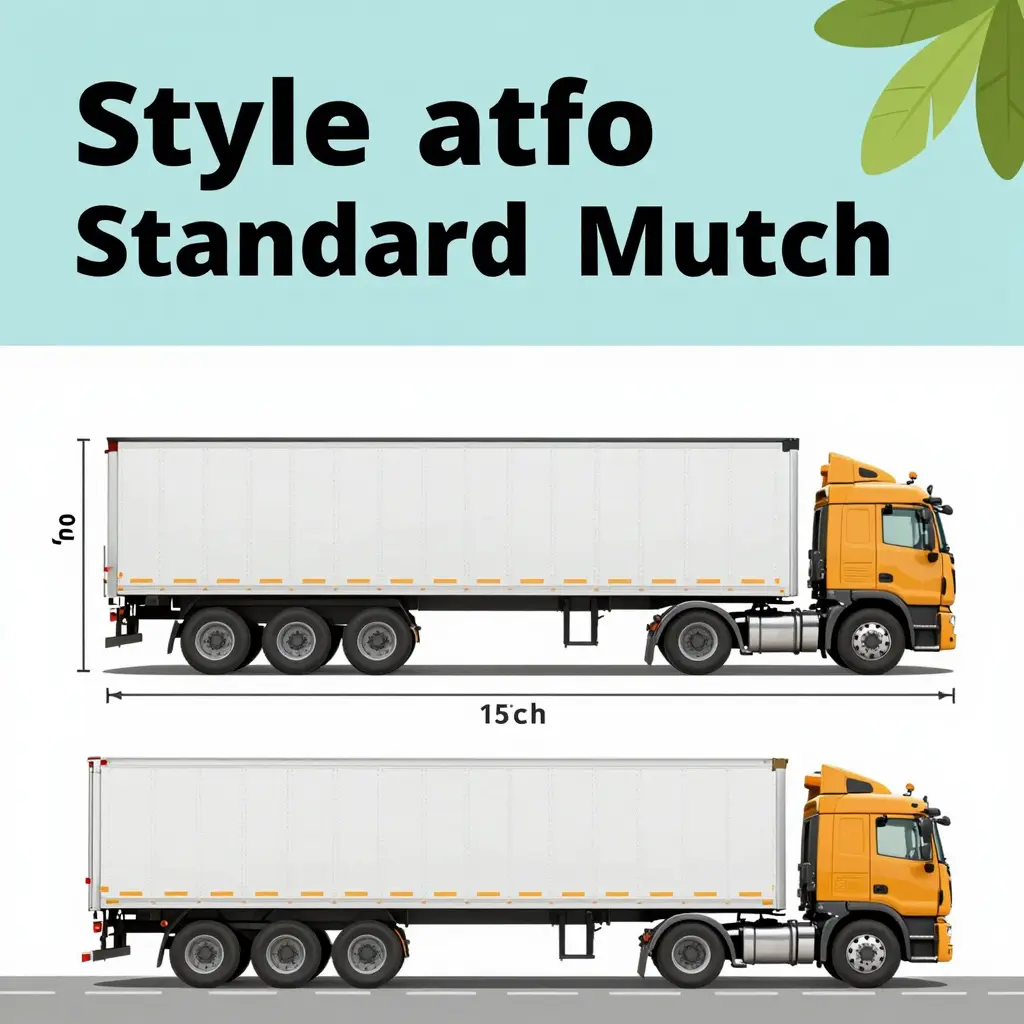
To visualize the importance of knowing truck dimensions, you can check this useful chart below:

By understanding the dimensions of your trucks, you ensure not only compliance but also enhance the overall efficiency of your logistics operations.
How Dimensions Affect Maneuverability and Safety in Tractor Trailers
The dimensions of tractor trailers significantly impact their maneuverability on the road and overall safety during transport. Understanding these aspects is critical for business owners involved in logistics and transportation, as they directly affect operational efficiency and compliance with safety regulations.
Impact on Maneuverability
-
Longer Wheelbase: Larger tractor trailers typically possess a longer wheelbase, resulting in an increased turning radius. This makes maneuvering in tight spaces, such as urban environments or loading docks, more challenging. For example, a standard 53-foot trailer requires more than 40 feet of space just to make a right turn, compared to standard vehicles that can navigate tighter corners.
-
Wider Turns: Not only do these vehicles need more space to turn, but they also tend to swing wide when making turns. This can pose a risk to smaller vehicles and pedestrians, as the trailer may encroach into adjacent lanes or sidewalks, leading to potential accidents.
-
Blind Spots: The size of tractor trailers creates dangerous blind spots. According to safety studies, these blind spots can extend up to 20 feet in front and 30 feet behind the trailer, along with significant blind areas on both sides. Drivers in smaller vehicles may underestimate the reach of these blind spots, leading to collisions when truckers change lanes or turn.
Safety Considerations
-
Higher Accident Rates: Statistics from the National Highway Traffic Safety Administration (NHTSA) indicate that large trucks are involved in a significant percentage of road traffic accidents. In 2020 alone, there were over 4,842 fatalities in crashes involving large trucks. While operational constraints and increased pressure for deliveries can lead to fatigue and mishandling, the sheer size of these vehicles inherently presents more risks, particularly when negotiating tricky road conditions.
-
Braking Distances: The larger the tractor trailer, the greater the mass, which means that stopping distances increase. It is estimated that a fully loaded tractor trailer can take up to 40% longer to stop than a standard vehicle, depending on road conditions. In emergency situations, this delay can prove disastrous.
Real-World Examples
-
Accidents Due to Size: The influence of size on maneuverability has been evident in various high-profile accidents. For instance, reports indicate that large trucks often get involved in serious collisions during adverse weather conditions, where their size makes it difficult for drivers to regain control compared to smaller vehicles.
-
Regulatory Response: In response to the risks posed by larger trucks, regulatory bodies like the Federal Motor Carrier Safety Administration (FMCSA) set specific guidelines regarding maximum dimensions and weight limits. These regulations are essential for maintaining safety on highways and urban roads.
In conclusion, the dimensions of tractor trailers greatly affect their maneuverability and safety on the road. Business owners involved in transportation must ensure adherence to safety protocols and invest in driver training to navigate these challenges effectively. Understanding how size influences the operation of these vehicles can lead to improved logistics and safer roads.
For further insights into maximizing transportation efficiency, learn more about reliable cargo trucks and the significance of adhering to tractor trailer weight regulations.
Understanding Tractor Trailer Dimensions and Freight Volume Relationship
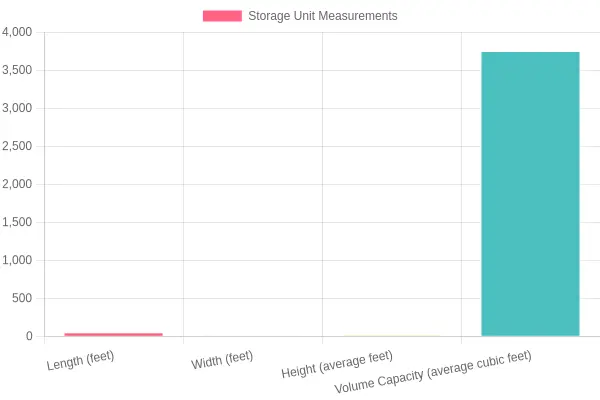
The efficiency of freight transportation heavily relies on the dimensions and volume capacity of tractor trailers. Below is a chart that illustrates the relationship between the height, width, and length of a standard tractor trailer and its freight volume capabilities:
Key Measurements
| Length (feet) | Width (feet) | Height (average feet) | Volume Capacity (average cubic feet) |
|---|---|---|---|
| 53 | 8.5 | 14 | 3750 |
This relationship highlights how the standard tractor trailer with a length of 53 feet, a width of 8.5 feet, and an average height of 14 feet can accommodate an average freight volume of approximately 3,750 cubic feet.
For business owners, understanding this data is vital in maximizing freight efficiency and ensuring compliance with regulations. To delve deeper into dimensions and their implications, consider reading more about maximizing your freight efficiency and tractor trailer weight regulations.
In conclusion, the dimensions of tractor trailer trucks are not merely numbers; they represent the foundation of efficiency, safety, and compliance in the logistics industry. Accurately assessing these dimensions is critical for business owners who wish to optimize their operations, reduce costs, and ensure compliance with transportation regulations. By understanding the specific sizes of the trucks involved in their logistics, business owners can maximize freight efficiency, avoid penalties, and enhance overall operational performance.
To learn more about how your choice of dimensions can impact your business, we invite you to explore our resources on reliable cargo trucks and tractor trailer weight regulations.
If you’re considering new tractor trailers or need expert advice on specifications to meet your unique business needs, don’t hesitate to reach out to us! Contact us today for inquiries or quotes, and let us partner with you in making your logistics operations more efficient and effective.