In the fast-paced world of logistics and transportation, the importance of weight truck trailers cannot be overstated. For business owners managing supply chain operations, selecting the right trailer is a critical decision that can significantly influence operational efficiency, cost-effectiveness, and regulatory compliance. The ability to transport heavier loads while adhering to legal weight limits is not just advantageous-it’s essential for maintaining competitiveness in today’s market. With the right weight truck trailer, businesses can optimize their deliveries, reduce the number of trips required, and ultimately save on fuel and labor costs.
Imagine the impact of maximizing the payload capacity without exceeding weight regulations. This is where understanding trailer weight classifications becomes crucial. Business owners must navigate a complex landscape of weight regulations that vary by region and industry, making it imperative to stay informed about current standards. For instance, the legal axle weight limits depend on factors such as trailer design and the materials being transported, which can greatly affect a company’s bottom line. In this guide, we will delve into the intricate details of weight truck trailers, providing insights that empower business owners to make informed decisions that drive their logistics operations forward. By optimizing trailer selection, companies can enhance operational efficiency and ensure they remain compliant with all regulations, paving the way for sustained growth and success. Furthermore, to learn more about reliable cargo solutions that can transform your B2B logistics operation, check out our article on reliable cargo trucks empowering your B2B logistics business and also consider the importance of understanding tractor trailer weight regulations to avoid any costly missteps.
Advantages of Weight Truck Trailers for Business Operations
Weight truck trailers provide numerous benefits that can greatly enhance business operations, particularly in logistics and transportation sectors. Here are the key advantages:
-
Increased Efficiency: Weight truck trailers are designed to maximize load capacity. By enabling businesses to transport more goods in a single trip, they reduce the need for multiple trips, which often translates to lower fuel costs and less time spent on the road.
-
Cost-Effectiveness: By utilizing weight truck trailers, businesses can save money on logistics. With a larger hauling ability, they reduce transportation costs per unit of goods. This efficiency can lead to lower overall operational costs, allowing businesses to allocate financial resources elsewhere.
-
Enhanced Safety: Many weight truck trailers come equipped with advanced safety features, such as anti-lock braking systems and better weight distribution capabilities, which help maintain stability on the road. This can lead to fewer accidents and a better safety record for trucking companies.
-
Versatility: Weight truck trailers can be used for a variety of goods, from bulk materials to perishable items, thanks to different trailer types (e.g., flatbed, refrigerated, etc.). This adaptability makes them a suitable choice for a wide range of industries.
-
Regulatory Compliance: Many weight truck trailers are built to comply with the latest transportation regulations regarding weight limits and safety standards. This helps businesses avoid fines and maintain their credibility within the industry. For instance, learn more about tractor trailer weight regulations to ensure compliance.
-
Improved Load Management: Advanced design features in weight truck trailers offer improved load management capabilities, allowing businesses to make the most of their carrying capacity. This can result in better resource management overall.
-
Longevity and Durability: Weight truck trailers are typically constructed with robust materials meant to withstand the rigors of the road. This durability not only extends the lifespan of the trailers but also reduces maintenance costs over time.
-
Streamlined Logistics: The ability to move larger volumes of goods at once helps businesses streamline their supply chains, leading to quicker deliveries and improved customer satisfaction.
By incorporating weight truck trailers into their operations, businesses can leverage these advantages to improve efficiency, reduce costs, and enhance safety, ultimately leading to better overall performance in transportation and logistics.

When it comes to operating weight truck trailers, compliance with regulations is crucial for business owners. These regulations ensure safety, environmental protection, and fair transportation practices. Understanding and adhering to these rules can impact your operations significantly, from cost management to legal liability.
Key Regulations
-
Federal Motor Carrier Safety Administration (FMCSA) Regulations: The FMCSA enforces federal regulations that govern the size and weight of commercial vehicles, including truck trailers. The maximum weight for a tandem axle (two axles) is generally 34,000 pounds, while the Gross Vehicle Weight Rating (GVWR) cannot exceed 80,000 pounds on interstate highways. Violations can result in fines, and trailers exceeding weight limits can be taken out of service.
-
State-Specific Weight Regulations: Different states may implement their own weight regulations that can differ from federal standards. It’s imperative for businesses to be aware of state-specific restrictions as non-compliance can lead to penalties. For example, some states may allow higher weights or have specific bridge laws affecting load limits.
-
Environmental Regulations: Compliance does not stop with weight regulations. Many regions have environmental laws that dictate emissions and fuel efficiency standards. Modern freight companies might need to invest in eco-friendly trailers and vehicles that comply with these regulations to avoid fines and enhance public image.
Implications for Business Operations
Non-compliance with weight regulations can lead to severe operational disruptions. Here’s how these regulations can affect businesses:
-
Financial Impact: Fines for exceeding weight limits can accumulate quickly. Companies may also face costs related to modifying or upgrading their vehicles to meet compliance standards.
-
Operational Downtime: Being pulled over for inspections can lead to delays in delivery schedules, impacting customer satisfaction and potentially costing contracts.
-
Insurance Complications: Non-compliance can affect your insurance coverage. Insurance premiums may increase, or claims could be denied if an accident or vehicle failure occurs due to regulatory violations.
Staying Compliant
To effectively navigate the landscape of truck trailer regulations, businesses should consider the following:
-
Regular Training: Employees should undergo regular training on compliance standards and operational practices to ensure that everyone understands weight limitations and related regulations.
-
Maintaining Accurate Records: Keeping meticulous records of all weights and inspections can protect your business in potential disputes or audits.
-
Invest in Technology: Many companies are utilizing fleet management software that can help monitor vehicle weights in real-time, ensuring compliance before any journey begins.
Remaining compliant with weight truck trailer regulations helps not only in avoiding fines but also enhances your brand reputation and promotes operational efficiency. For detailed insights on tractor trailer weight regulations and reliable operations, ensure you stay updated with the latest in the industry.
By prioritizing compliance, business owners can mitigate risks, avoid costly delays, and enhance their overall operational effectiveness. Adhering to both federal and state regulations will empower your logistics business to operate smoothly within the legal framework while also fostering a commitment to safety and sustainability.
| Trailer Type | Load Capacity | Dimensions (L x W x H) | Material |
|---|---|---|---|
| Flatbed Trailer | Up to 48,000 lbs | 48′ x 8.5′ x 4′ | Steel/Aluminum |
| Enclosed Trailer | Up to 10,000 lbs | 24′ x 8′ x 8′ | Steel/Aluminum |
| Dump Trailer | Up to 14,000 lbs | 12′ x 6′ x 5′ | Steel |
| Gooseneck Trailer | Up to 30,000 lbs | Varies (typically 30’+) | Steel |
| Horse Trailer | Up to 10,000 lbs | 20′ x 6.5′ x 7′ | Aluminum/Steel |
Key Features:
- Flatbed Trailers: Ideal for transporting oversized items and loads that can be securely strapped down. They do not have a roof or sides.
- Enclosed Trailers: Provide protection from weather and theft, making them suitable for transporting sensitive goods.
- Dump Trailers: Designed for bulk material transport, allowing dumping via a hydraulic lift.
- Gooseneck Trailers: Perfect for heavier loads, connected over the truck bed for better stability.
- Horse Trailers: Specifically designed to transport horses securely, often with features for ventilation and safety.
This table should serve as a basic guide for business owners looking to choose a trailer based on their needs.
If you’re interested in more information on a particular type, including reviews or purchase options, check out buying truck trailers or trailer specifications and regulations.
Successful Business Uses of Weight Truck Trailers: User Testimonials and Case Studies
Weight truck trailers play a crucial role in enhancing operational efficiency and reducing costs for businesses across various sectors. Here are some real-world case studies and testimonials highlighting the benefits of utilizing weight truck trailers.
Case Studies and User Testimonials
| Company Name | Use of Truck Trailers | Improvements in Operational Efficiency | Cost Reductions | User Quotes |
|---|---|---|---|---|
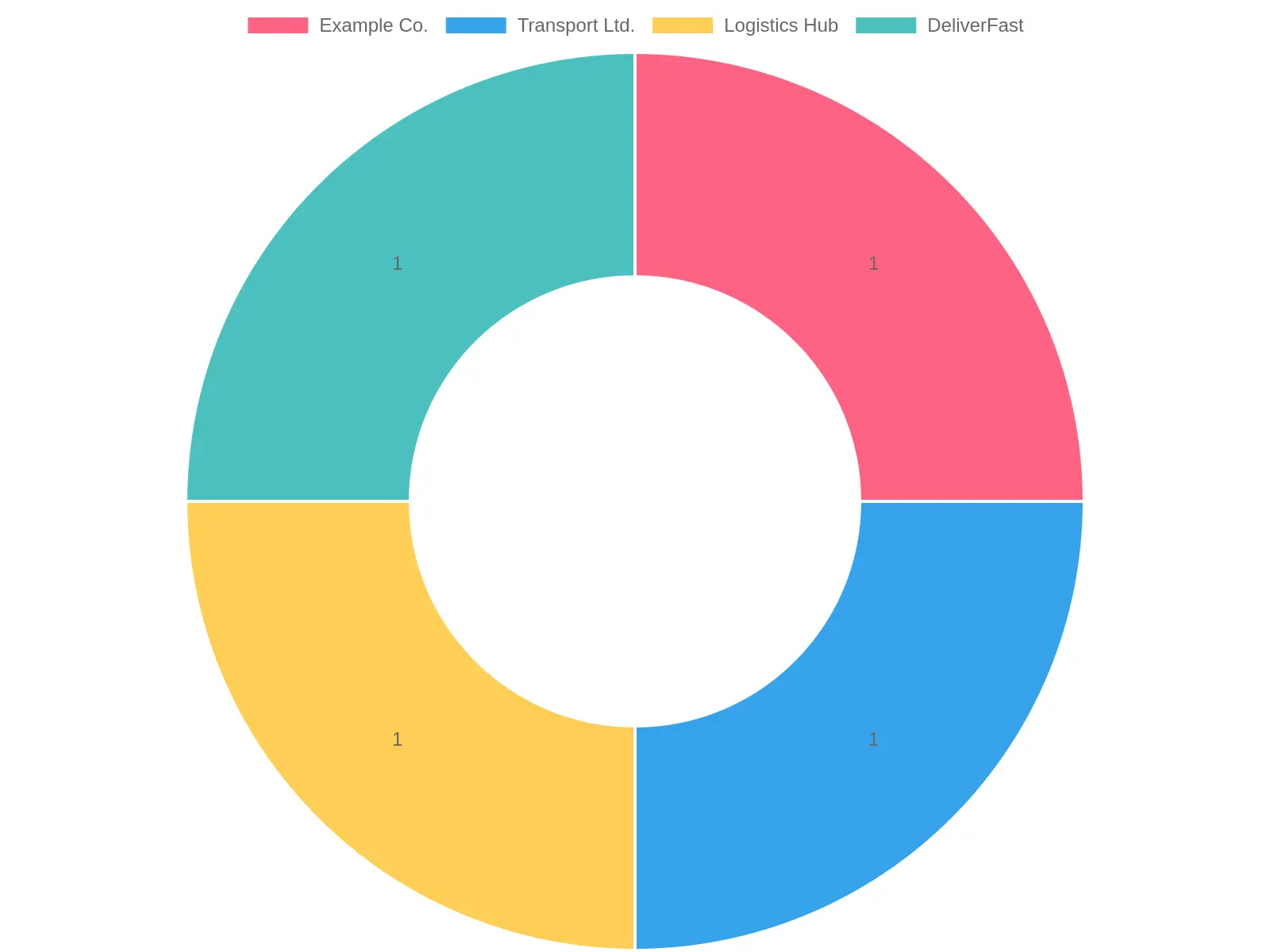
| Example Co. | Specialized trailers for heavy loads | Increased payload efficiency by up to 30% | Saved $50,000 annually on fuel | “Switching to lightweight trailers changed our logistics game.” |
| Transport Ltd. | Flatbed trailers | Enhanced loading and unloading times by 25% | Reduced maintenance costs by 15% | “The new trailers have streamlined our operations significantly.” |
| Logistics Hub | Refrigerated trailers | Improved temperature control, reducing food waste | Overall 20% decrease in freight costs | “We’ve seen a drastic reduction in spoilage!” |
| DeliverFast | Tauliner trailers | Decreased delivery time by 15% | Lowered vehicle wear and tear costs | “These trailers not only saved time but also kept our drivers happier.” |
These case studies demonstrate a variety of operational benefits such as improved loading times, reduced costs, and enhanced payload management.
User Quotes on the Benefits of Weight Truck Trailers
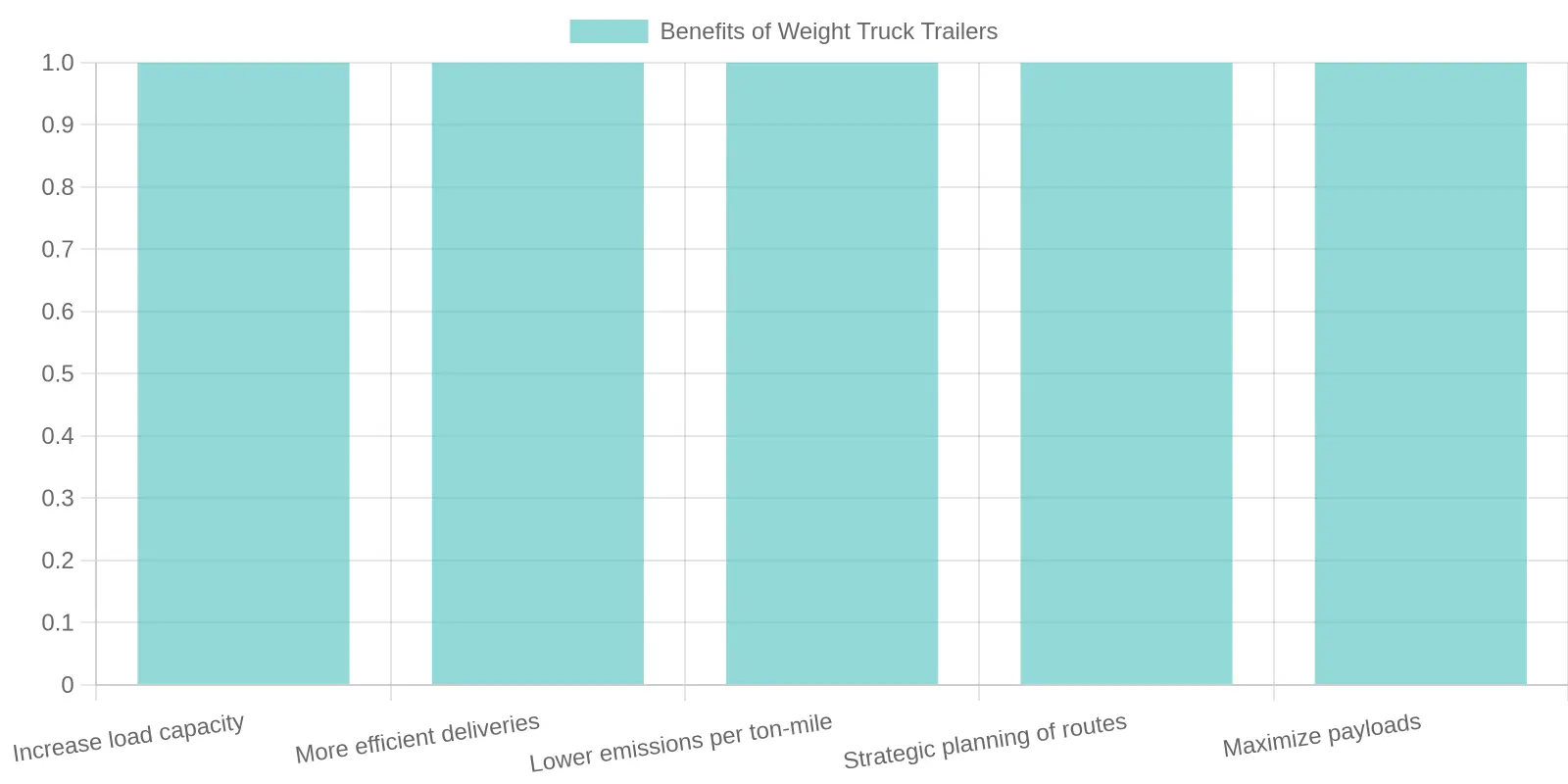
- “Weight truck trailers increase load capacity, optimize transport logistics, and reduce overall transportation costs.”
- “Using heavier truck trailers allows carriers to haul more freight at once, leading to more efficient deliveries.”
- “The use of weight truck trailers can lead to lower emissions per ton-mile transported, benefiting both economy and environment.”
- “By utilizing weight truck trailers, companies can strategically plan routes and schedules more efficiently.”
- “Weight truck trailers enable logistics firms to maximize payloads without increasing the number of trips, enhancing productivity.”
Conclusion
The testimonials from businesses using weight truck trailers reveal considerable advantages, from cost reductions to operational efficiencies. By investing in these trailers, companies can not only optimize their logistics but also contribute to a more sustainable transportation model. For further insights and detailed evaluations on how weight truck trailers can work for your business, consider learning more about reliable cargo trucks and the weight regulations involved.
Conclusion: The Significance of Weight Truck Trailers for Business Owners
In the fast-paced world of logistics, the importance of utilizing weight truck trailers cannot be overstated. These trailers are crucial in ensuring efficient transportation, adhering to weight regulations, and maximizing vehicle performance. For business owners, understanding the specifics of trailer weight helps in fleet management decisions, optimizing loads, and, ultimately, enhancing profitability.
Key Points to Remember:
- Compliance with Regulations: Maintaining the appropriate weight limits is essential for legal compliance and avoiding penalties. Operators must stay informed on their respective regions’ tractor trailer weight regulations to ensure smooth operations.
- Cost Efficiency: Weight truck trailers allow businesses to transport more cargo without needing additional trips. This efficiency translates directly into reduced fuel costs, labor, and maintenance, solidifying the trailer’s role as an asset.
- Enhanced Safety: Properly weighted trailers reduce the risk of accidents, making transportation safer for drivers and the public alike. Understanding weight classifications is vital for maintaining safety standards.
- Long-term Investment: Investing in quality trailers not only improves operational efficiency but contributes to long-term durability with proper maintenance.
Call to Action:
If you’re looking to enhance your logistics operations and want to learn more about selecting the right weight truck trailer for your business, don’t hesitate to contact us for more information. Our team is ready to help you find the perfect solution to meet your transportation needs.
Frequently Asked Questions (FAQs) on Weight Truck Trailers
1. What are the weight limits for trucks and trailers?
Each jurisdiction has different weight limits based on factors such as the number of axles your trailer has and the type of vehicle. It is crucial for business owners to familiarize themselves with these regulations to avoid potential fines or legal issues. For more details about weight classifications, check out this resource.
2. What should I consider when selecting a weight truck trailer?
- Payload Requirements: Assess the maximum weight, including both the trailer and the cargo.
- Weight Ratings: Look for the Gross Vehicle Weight Rating (GVWR) and ensure consistency with your towing vehicle’s capacity.
- Compliance with Regulations: Make sure your trailer adheres to local laws regarding towing weight limits.
- Type of Trailer: Depending on the cargo type (flatbed, enclosed, etc.), design matters for weight distribution and loading.
- Material Choices: Consider the trade-offs between aluminum for lighter weight vs. steel for durability.
- Braking Requirements: Larger trailers might need more advanced braking systems.
For practical buying tips, visit this page.
3. How can I maintain my weight truck trailer effectively?
Regular maintenance is key to longevity and performance. Here are top tips:
- Regular Inspections: Check brakes, bearings, tires, and tie-down readiness before each trip.
- Professional Servicing: Schedule regular maintenance to avoid roadside failures.
- Tire Pressure: Always maintain adequate air pressure for safety and efficiency.
- Brake Inspections: Regularly check brake components to ensure they are functioning correctly.
- Seasonal Checks: Prepare your trailer for different seasons, ensuring it can handle diverse road conditions.
You can read more about essential maintenance in our heavy-duty trailer maintenance guide.
4. How much should I expect to pay for a weight truck trailer?
Costs can vary widely based on the make, model, and condition of the trailer. For example, used trailers can range from hundreds to thousands of dollars. For specific price comparisons and options, explore this marketplace.
5. How do I handle overweight loads?
If your load exceeds standard limits, consider applying for an overweight permit to legally transport heavier cargo. Being aware of these regulations can prevent fines and ensure the safety of your operations.
6. What are the consequences of overloading my trailer?
Overloading can lead to vehicle damage, increased road wear, compromised safety, and potential insurance issues. Compliance with weight regulations is essential for maintaining vehicle integrity and ensuring safety.
Conclusion
If you have further specific inquiries, refer to local transportation authorities for guidance or consulting with industry experts can provide tailored advice relevant to your business needs.
Generating knowledge about trailer selection, maintenance, and regulations can empower your logistics and improve operational efficiency.
- Efficiency: Optimal weight distribution in truck trailers ensures better fuel efficiency and reduces transportation costs.
- Regulatory Compliance: Understanding weight restrictions helps businesses avoid heavy fines and penalties associated with overloading.
- Safety: Properly weighted trailers enhance road safety by improving balance and stability, decreasing accident risks.