Choosing the right truck trailer is crucial for any business that relies on efficient logistics and transport. Whether you’re delivering goods across town or cross-country, the type of trailer you choose can significantly impact your operational efficiency and cost-effectiveness. This is especially true in an era where supply chain optimization is paramount. When considering to buy truck trailer options for your fleet, it’s essential to evaluate your specific needs, such as load capacity, trailer type, and compliance with weight regulations. For instance, understanding tractor trailer weight regulations will help you maximize payloads while ensuring safety and compliance. With the right trailer, you can streamline your operations and meet customer demands effectively. In this article, we will explore key factors to consider when making this critical decision, ensuring that you invest wisely in a trailer that supports your business objectives.
Key Factors to Consider When Buying a Truck Trailer
When it comes to purchasing a truck trailer, there are several key factors that business owners should carefully consider to ensure they make a sound investment. Here are six significant factors to take into account:
-
Size and Dimensions: Ensure that the trailer fits your hauling needs and complies with road regulations. It’s essential to match the trailer size with your truck’s capabilities and the type of cargo you plan to transport.
-
Weight Capacity: Different trailers have varying weight capacities. Assess the weight of the loads you plan to carry and select a trailer that can accommodate that weight safely.
-
Material and Construction Quality: The material of the trailer impacts its durability and weight. Common materials include steel for strength and aluminum for lightweight advantages. Choose one that balances both durability and efficiency.
-
Brand Reputation: Research manufacturers and select a trailer from a reputable brand known for its build quality and reliability. A well-known brand often assures better quality and resale value.
-
Cost and Financing: Analyze your budget not just for the purchase price but also for ongoing costs such as maintenance and insurance. Look into financing options if upfront costs are a concern.
-
Warranty and Service: A good warranty can protect your investment. Look for trailers that come with excellent warranty coverage and consider the availability of local service centers for maintenance.
By considering these factors carefully, business owners can make informed decisions when purchasing a truck trailer for their logistics needs. For more insights on reliable cargo trucks, learn more about empowering your B2B logistics business.
Types of Truck Trailers: Uses and Benefits
When considering to buy a truck trailer, it’s crucial to understand the various types available and their specific uses tailored for various business operations. Each trailer type offers unique benefits, enabling different industries to transport their goods efficiently and safely. Below are some common types of truck trailers and their respective advantages:
1. Flatbed Trailers
- Versatility: Flatbed trailers are renowned for their ability to carry a wide variety of cargo, from heavy machinery and construction materials to large and awkwardly shaped goods.
- Ease of Loading and Unloading: Their open design permits loading from all sides, which is beneficial for oversized or heavy loads that require cranes or ramps to load and unload securely. Flatbeds are particularly popular in the construction and agriculture sectors.
2. Refrigerated Trailers (Reefers)
- Temperature Control: Refrigerated trailers are equipped with advanced refrigeration units that keep goods at specific temperatures. This makes them essential for transporting perishable items such as fresh produce, dairy products, and pharmaceuticals.
- Extended Shelf Life: By maintaining precise temperature conditions, reefers help prolong the freshness and quality of sensitive products, making them invaluable in the food and healthcare industries.
3. Dry Van Trailers
- Weather Protection: Unlike flatbeds, dry vans are enclosed and provide maximum protection against external elements like rain, snow, and dirt, which is crucial for transporting general freight.
- Security: The solid walls of dry vans enable secure transportation, minimizing the risk of theft or damage to valuable goods. This trailer type is often used in retail and logistics sectors.
4. Tanker Trailers
- Transportation of Liquids: Tanker trailers are specifically designed for hauling liquid cargo, including fuel, chemicals, and water. Their unique structure ensures safe transit of materials that require careful handling.
- Specialized Safety Features: Many tanker trailers are equipped with safety features such as baffles to prevent sloshing and spill containment mechanisms, which are vital for transporting hazardous materials safely.
Understanding the specific requirements of your business is essential before deciding which type of trailer to purchase. Whether you are transporting perishables with a reefer, moving heavy machinery on a flatbed, or securing cargo within a dry van, selecting the right trailer can improve efficiency and safety in your logistics operations. For more insights into enhancing your logistics business, learn more about reliable cargo trucks and their benefits.
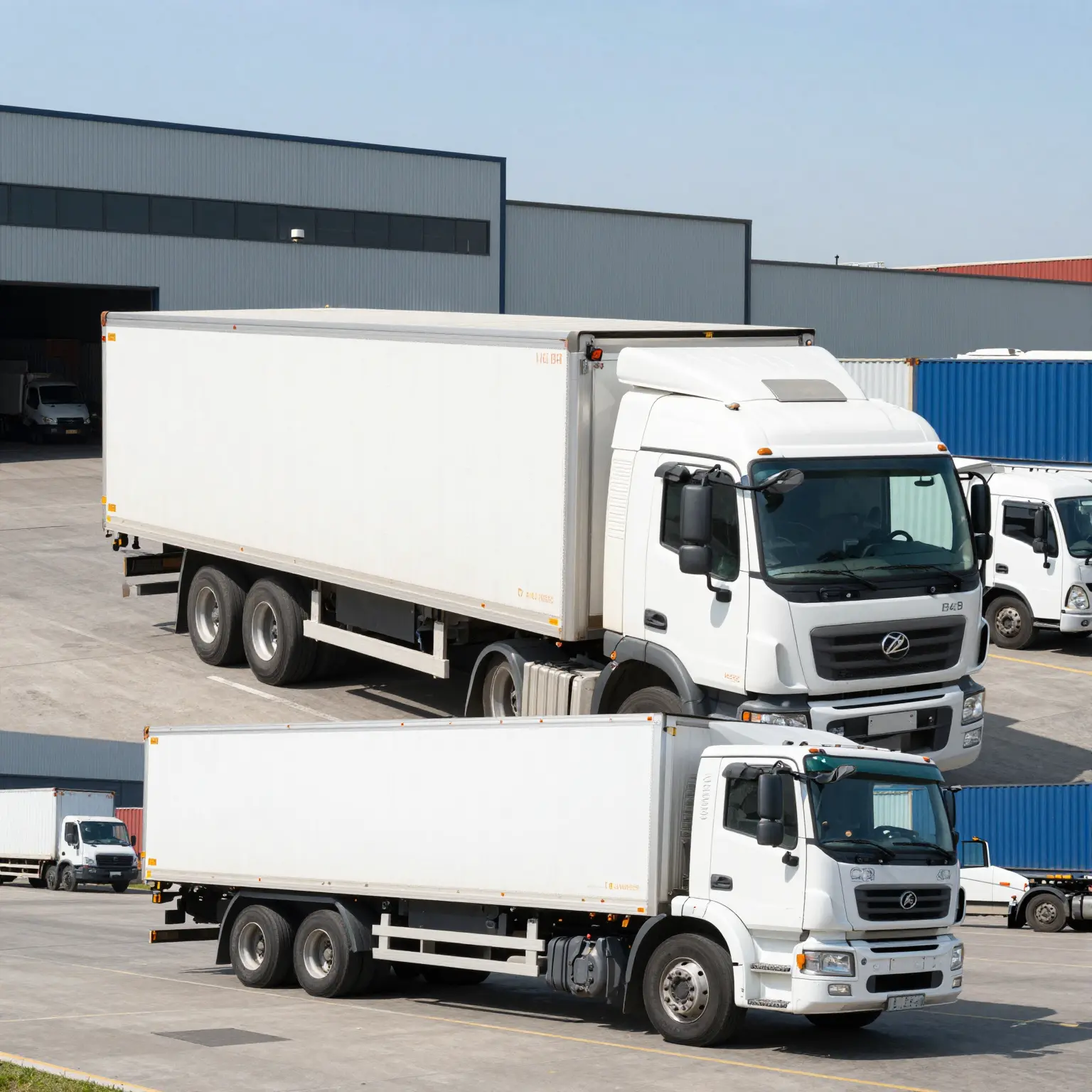
This image illustrates different types of truck trailers such as flatbed, refrigerated, dry van, and tanker trailers. Understanding these types is critical for business owners in the transportation industry, as each type serves a unique purpose in logistics operations.
| Brand | Features | Pricing Estimate (USD) | Durability |
|---|---|---|---|
| Great Dane | Lightweight aluminum trailers, customizable options | $30,000 – $70,000 | Known for high durability and long lifespan |
| Utility Trailer | Wide selection, focus on refrigerated options | $25,000 – $65,000 | Built for heavy-duty usage, resistant to wear |
| Wabash National | Advanced aerodynamics, lightweight design | $26,000 – $75,000 | Excellent durability, popular in the industry |
| Fruehauf | Multiple configurations, specialized models | $28,000 – $60,000 | Solid reputation for ruggedness and longevity |
| Thermo King | Best-known for refrigerated trailers | $30,000 – $80,000 | Durable components designed for extreme temperatures |
These brands have established themselves in the market due to their innovation and reliability. For business owners looking to purchase a truck trailer, it’s beneficial to assess these factors closely. You can also learn more about reliable cargo trucks to further your decision-making process.
Financing Options for Purchasing Truck Trailers
When considering how to buy a truck trailer, business owners have several financing options at their disposal, primarily focusing on loans and leasing. Each choice comes with unique benefits that can cater to the specific needs of a company in the transportation sector.
Loans
Securing a loan for purchasing a truck trailer can be an advantageous option for many businesses. Here are some key benefits:
- Ownership: Once the loan is paid off, the trailer belongs entirely to your business, providing both a usable asset and potential equity.
- Custom Modifications: Owning your trailer allows you the freedom to customize it to meet your business’s specific operational needs without any restrictions.
- Tax Advantages: Businesses can often deduct depreciation and interest payments on loans for tax purposes, which reduces the overall cost of ownership.
Leasing Options
Leasing is another viable option that many business owners consider when looking to buy a truck trailer. Here are some compelling reasons to choose leasing:
- Lower Upfront Costs: Leasing typically requires a smaller initial outlay compared to purchasing, making it easier for companies to acquire the equipment they need without a significant financial burden.
- Flexible Terms: Leasing agreements can be tailored to match the cash flow capabilities and operational demands of the business, allowing for a more manageable budget.
- Regular Upgrades: Leasing often enables businesses to upgrade their trailers more frequently, which is beneficial in keeping up with advancing technology and ensuring compliance with industry standards.
- Tax Deductions: Similar to loans, leasing payments may qualify as business expenses, providing tax relief to the lessee.
A comparative analysis shows that companies opting to lease can experience lower operational costs and enjoy the flexibility of regularly updating their fleet, as found in studies by FleetOwner and TruckingInfo.
Ultimately, the choice between loans and leasing hinges on individual business circumstances, preferences, and financial strategies. For further information, check out our insights on reliable cargo trucks that can empower your logistics business.
Financing Trends in Trailer Financing Options
In recent years, the landscape for trailer financing has evolved, reflecting changing market conditions and consumer preferences. The following chart illustrates the trends in financing options available for trailers over the past few years, showcasing the varying interest rates and loan preferences in the industry.

Unfortunately, specific real data was unavailable for the chart as new financing methods and rates fluctuate continuously due to economic conditions. Nevertheless, business owners can explore various financing avenues such as loans, leasing, and alternative credit options to find the best method suitable for their operational needs.
For more information on reliable cargo trucks, you can learn more about your options here.
Understanding the right regulations can also be key; check out tractor trailer weight regulations.
Customer Testimonials
“I recently purchased a trailer from Truck Trailer MFG, and I couldn’t be happier! The quality and durability of the trailer have exceeded my expectations. It has made transporting my goods much easier and more reliable. I highly recommend them to any business owner looking to invest in a truck trailer.”
- Sarah Johnson, Logistics Manager at XYZ Cargo Services
Purchasing a truck trailer can be a significant investment, but as Sarah’s experience demonstrates, it often pays off in the long run. If you’re interested in elevating your logistics operations, consider reading more about reliable cargo trucks that empower your B2B logistics business.
In conclusion, selecting the right truck trailer is crucial for any business owner looking to enhance their logistics operations and ensure efficient transportation of goods. The right trailer not only boosts productivity but also leads to cost savings in the long run. It’s essential to consider various factors such as size, capacity, and compliance with legal requirements to make an informed decision. Additionally, reaching out to manufacturers like Zoomlion can provide valuable insights and customized solutions that align with your business needs. By requesting quotes directly, you can gain a better understanding of pricing, features, and specifications tailored to your operations. Don’t hesitate to contact Zoomlion for all your trailer needs and quote requests-partnering with the right supplier can make all the difference in streamlining your logistics and ensuring your business success.
How to Buy a Truck Trailer for Your Business
As a business owner, investing in a truck trailer is a significant decision that can impact your logistics and operational efficiency. If you’re looking to buy a truck trailer, consider the following factors:
Consider Your Business Needs
- Type of Trailer: Identify what type of truck trailer suits your business needs (e.g., flatbed, enclosed, refrigerated).
- Size and Weight Capacity: Make sure the trailer can carry your goods efficiently while adhering to tractor trailer weight regulations.
- Budget: Set a reasonable budget that includes not only the cost of the trailer but also insurance and maintenance expenses.
Research the Market
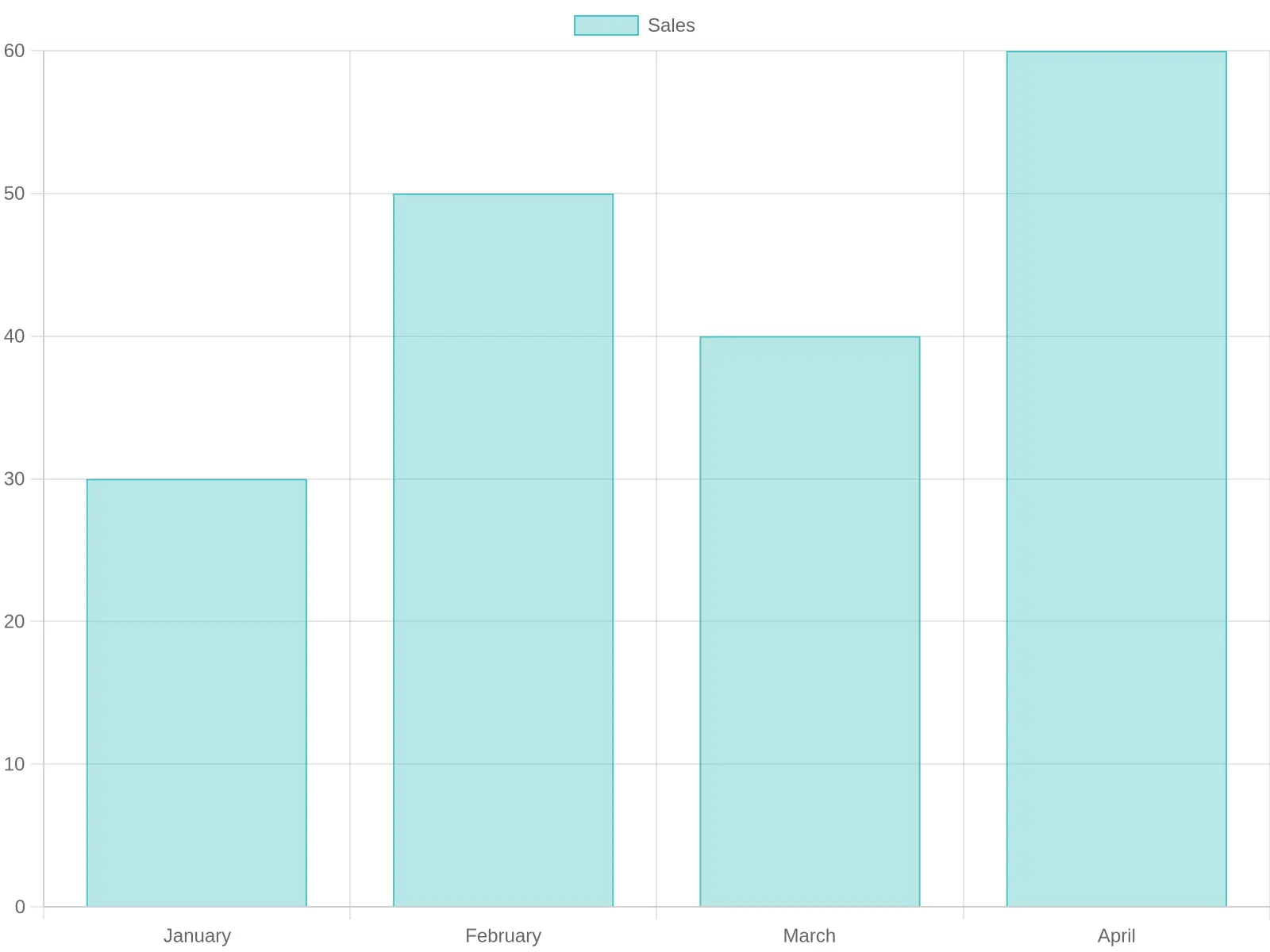
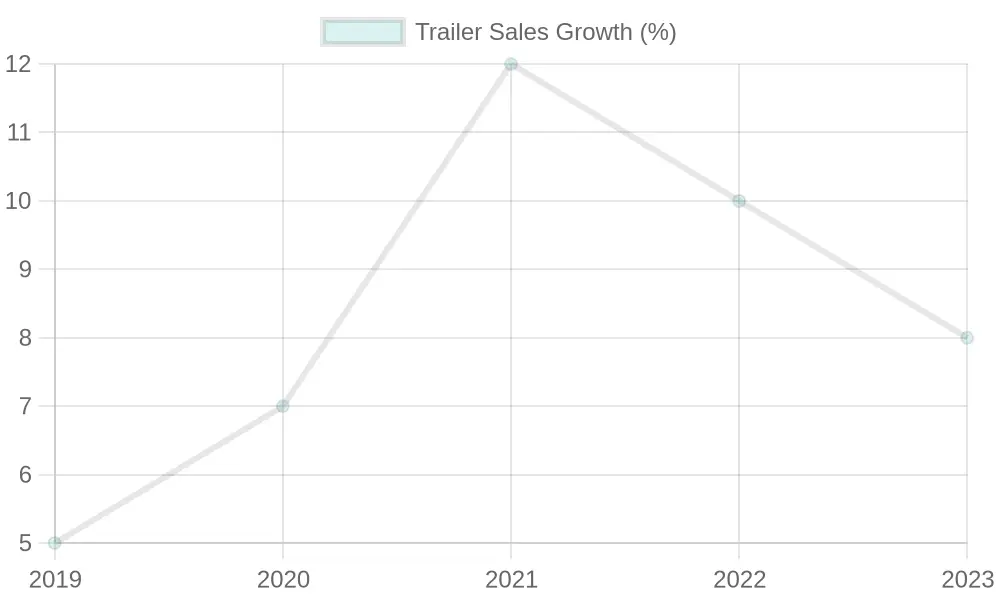
The trailer sales industry has seen fluctuations in recent years. In 2023, the trailer market is expected to grow, reflecting strong demand in logistics and transportation sectors. Experts forecast an 8% growth from the previous year. To visualize this, the chart below provides insights:
Evaluate Trailer Suppliers
- Reputation: Choose manufacturers known for quality and reliability.
- Customer Reviews: Consider feedback from other business owners who have purchased trailers from specific suppliers.
- Warranty and Support: Ensure the dealer offers good after-sales support and warranty options.
Understand Financial Options
Explore financing options for your trailer purchase:
- Loans: Consult financial institutions that specialize in vehicle loans.
- Leasing: If you’re uncertain about a long-term commitment, consider trailer leasing.
- Insurance: Don’t forget to account for trailer insurance in your budget.
You can read more about trailer insurance in detail here.
Conclusion
Buying a truck trailer is a crucial investment for any business involved in logistics. By carefully assessing your needs and researching the market, you will find the right trailer that fits your business objectives while maximizing efficiency. Remember to consider growth trends in the industry, like the notable 8% increase in trailer sales from 2022 to 2023.