

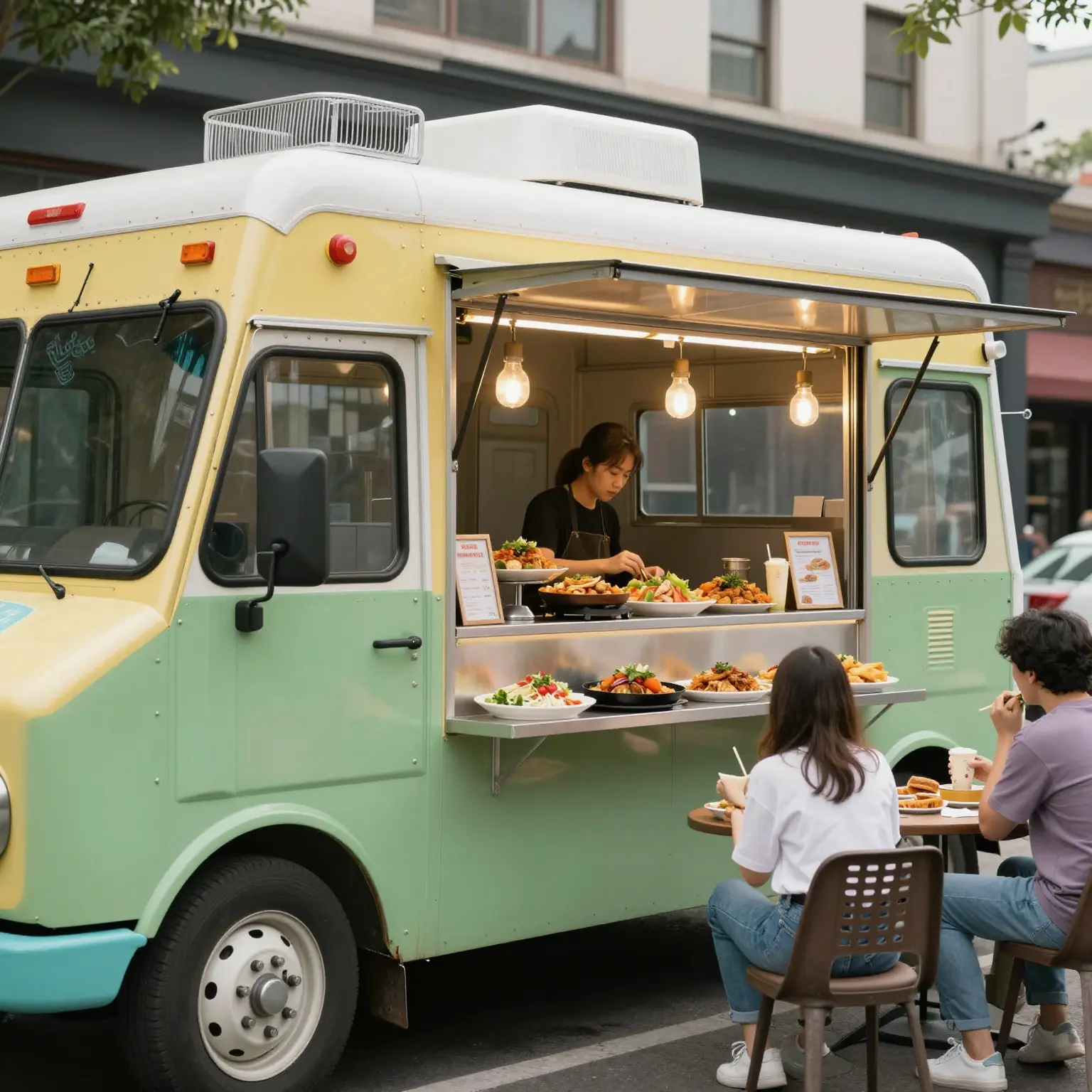
Introduction to the Booming Food Truck Industry
In recent years, the food truck industry has witnessed an explosive growth, reflecting a dynamic shift in consumer preferences and dining habits. With an annualized growth rate of approximately 4.9% in 2023, food trucks are no longer just a culinary novelty but a staple in many urban centers across the globe. This growing trend presents lucrative opportunities for aspiring business owners looking to carve out their niche in a vibrant, ever-evolving market.
Owning a food truck trailer comes with a myriad of advantages, including lower startup costs compared to traditional brick-and-mortar restaurants. Entrepreneurs enjoy unparalleled flexibility, allowing them to operate in diverse locations, cater to various events, and adapt their menus based on customer feedback. This mobile nature fosters stronger community connections and brand presence, maximizing sales potential. For those inspired to enter this exciting field, it’s crucial to select the right food truck equipment. The quality and suitability of the trailer can significantly impact operational efficiency and customer satisfaction.
As you consider diving into the food truck business, it’s essential to understand not just the booming demand but also the importance of equipping your trailer for success. Discover how to choose the right setup to ensure your food venture thrives in this competitive landscape. Learn more about available options for food trucks.
Top Features to Consider When Buying a Food Truck Trailer
When planning to enter the food truck business, selecting the right food truck trailer is a critical decision that can influence your success. Here are the essential features business owners should consider:
1. Size and Layout
- Size: Choose a size that fits your menu and customer service style. A larger trailer can accommodate more equipment but may be more challenging to maneuver and park.
- Layout: The design should facilitate a smooth workflow. A well-thought-out layout can make cooking and serving more efficient.
2. Kitchen Equipment
- Ensure the trailer is equipped with the necessary kitchen appliances suitable for your menu, such as grills, fryers, and refrigerators. Consider the power supply needed for these appliances.
3. Storage Space
- Ample storage is crucial for ingredients, utensils, and other supplies. Evaluate the shelving and compartmentalization within the trailer to ensure everything has its place.
4. Compliance with Local Regulations
- Understanding and adhering to local health and safety regulations is mandatory. Regulations might include sanitation standards, permits, and food handling guidelines, which are essential for legally operating your food truck. For more on regulatory aspects, read further about compliance.
5. Durability and Construction Quality
- A durable trailer can stand up to the rigors of daily use. Look for high-quality materials and construction to minimize long-term wear and tear.
6. Resale Value
- Consider the potential resale value of the trailer. Well-constructed trailers with popular features can maintain their value, which is beneficial for future business strategies.
7. Maintenance and Warranty
- Check the ease of maintenance and ensure there is a warranty on the trailer. This coverage can protect you from unexpected repair costs.
In conclusion, evaluating these features can help ensure that you make a wise investment that supports your food truck business effectively. Planning properly can pave the way for your entrepreneurial success!
Food Truck Market Growth Statistics in 2023
The food truck industry continues to gain momentum, becoming a lucrative endeavor for business owners looking to invest in mobile dining. Here are some crucial statistics and trends highlighting the growth potential of this sector:
- Market Size: As of 2023, Food Truck revenues are projected to surpass $1 billion in North America alone, with a growth rate of around 6.8% annually.
- Consumer Demand Shifts: There’s been a significant increase in demand for gourmet and health-conscious food options. This shift indicates a growing interest in mobile dining experiences that prioritize quality and sustainability.
- Regional Insights: North America holds the largest share of the food truck market, driven by urbanization and the increasing trend of outdoor dining.
- Investment Growth: Entrepreneurs are increasingly investing in food trucks due to lower startup costs compared to traditional restaurants, creating a dynamic marketplace.
Food truck businesses not only offer flexibility in operation but also capitalize on changing consumer preferences towards unique culinary experiences. According to reports from OpenPR and Grand View Research, the potential for growth in this market is promising.
Overall, the food truck market represents a compelling opportunity for aspiring business owners looking to tap into the evolving food landscape.
Comparison of Popular Food Truck Trailer Brands
When looking for the right food truck trailer for your business, it’s essential to compare brands based on their specifications, features, and price ranges. Below is a table summarizing key aspects of some well-known food truck trailer manufacturers.
| Brand | Specifications | Price Range | URL for More Info |
|---|---|---|---|
| Prestige Food Trucks | Custom builds, health code compliant | Starting at $50,000 | Visit Prestige Food Trucks |
| Golden State Trailers | Durable, various sizes | $30,000 – $80,000 | How Much Does a Food Trailer Cost? |
| Seeker Trailer | Comprehensive customer support, various models | $25,000 – $65,000 | Best Food Trailer Manufacturers |
| ProfitableVenture | Pricing starts around $29,000 for trailers | $29,000 – $75,000 | Top Food Truck Manufacturing Companies |
Additional Notes
- Food truck trailers can vary significantly in price depending on customization and brand reputation.
- It’s advisable to contact manufacturers for the most accurate and detailed specifications before making a purchase decision. For more insights on buying food trucks, you can learn more about purchasing truck trailers here.
This comparison aims to assist potential buyers in making informed decisions when it comes to starting their mobile food business. Remember to also consider maintenance, warranty options, and after-sales support when selecting a brand.
Legal Considerations of Owning a Food Truck
Starting a food truck business involves navigating a maze of legal requirements that can vary by state and municipality. For new owners, understanding necessary permits, licenses, and health regulations is crucial to ensuring compliance and securing success. Here’s what you need to know:
Necessary Permits and Licenses
- Business License: Commonly required in all states. This license allows you to legally operate your business.
- Mobile Food Vendor Permit: This permit is often mandatory and allows you to sell food from your truck. Applications usually require a detailed plan of your operation.
- Health Permit: Obtained from your local health department, this permit verifies that your food truck meets all health and safety regulations. Regular inspections are part of maintaining this permit.
- Sales Tax Permit: If you sell food or beverages, you’ll need to collect sales tax. A sales tax permit allows you to do this legally.
- Vehicle Registration and Insurance: Your food truck should be registered with the state, and insuring it is also essential to protect your business and comply with local laws.
Health Regulations
Operating a food truck also comes with stringent health regulations to ensure public safety. Key considerations include:
- Food Safety Regulations: Ensure compliance with food handling, preparation, and storage regulations. This includes maintaining proper cooking and storage temperatures and minimizing cross-contamination.
- Regular Health Inspections: Adherence to health codes is monitored through inspections conducted by local health officials. Familiarize yourself with what inspectors look for in your specific area.
- Hygiene Standards: Adequate handwashing facilities and sanitation practices are critical. You must provide clean and accessible handwashing stations for all employees.
Local Regulations
Regulations can significantly vary based on where you plan to operate your food truck. For instance, your city may have zoning laws that dictate where food trucks can park and sell their products. It’s vital to research and consult local regulations to glean specific requirements.Learn more about regulatory considerations.
Conclusion
In conclusion, owning a food truck requires a clear understanding of various permits and health regulations. New owners should take time to research local requirements to ensure compliance and avoid legal issues down the line. To further assist your planning, consider resources available through organizations like the U.S. Small Business Administration, which provide valuable resources for navigating the legal landscape of owning a food truck.
Getting the legalities right will not only help your food truck to operate smoothly but also allow you to focus on what matters most-serving delicious food to your customers!
“Owning a food truck has been a transformative journey. A quality trailer is the backbone of our business. It not only showcases our brand but also provides the necessary functionality to serve our delicious food efficiently. With a reliable trailer, we can venture to different locations, cater to festivals, and connect with customers in ways that a traditional restaurant simply cannot.”
Incorporating the essence of these business owners reinforces the importance of a good trailer in running a successful food truck.
For those looking for resources on how to start and enhance their food truck business, you can learn more about buying a truck trailer or explore reliable cargo trucks that can empower your B2B logistics business.
Building a thriving food truck business requires strategic investments, particularly in food truck trailers. Here, we explore two noteworthy case studies that exemplify how food truck owners not only navigated the competitive food industry but also established successful brands.
1. Kogi BBQ: A Trailblazer in Culinary Innovation
Kogi BBQ, founded by Chef Roy Choi, is one of the most iconic food trucks in Los Angeles, credited with igniting the gourmet food truck movement. The truck’s unique blend of Korean BBQ and Mexican flavors led to a hungry following, transformed by innovative marketing techniques.
-
Social Media Mastery: Kogi BBQ was one of the first food trucks to leverage Twitter for real-time location updates, allowing eager customers to track their whereabouts. This savvy use of social media not only attracted followers but also built a community around the brand. As detailed in a Los Angeles Times article, Choi utilized customer feedback from social media to continuously refine the menu and service.
-
Strong Branding: The distinct fusion of flavors and Chef Roy Choi’s culinary credentials from high-end kitchens contributed to Kogi’s unique selling proposition. This branding attracted not just foodies but also a diverse customer base, as reported by various outlets, including Mobile Cuisine.
-
Success Metrics: Initial investment in a food truck trailer and equipment paid off through consistent high-demand meals like the Korean BBQ taco. This innovative model demonstrated how effective marketing and a strong culinary vision can lead to sustained success in the food truck industry.
2. Cousins Maine Lobster: From One Truck to a Franchise
Launched by cousins Jim Tselikis and Sabin Lomac, Cousins Maine Lobster began with a single truck in Los Angeles. The founders leveraged their Maine roots to offer authentic lobster dishes, which quickly gained popularity.
-
Franchising Model: After establishing their brand, Cousins Maine Lobster expanded through franchising, allowing them to grow beyond the initial food truck operation effectively. They gained significant visibility and ultimately appeared on the television show “Shark Tank,” which provided a major boost to their growth trajectory.
-
Quality and Consistency: The emphasis on using only high-quality, sustainably sourced lobster attracted customers and led to repeat business. By maintaining consistent quality across all franchise locations, Cousins Maine Lobster ensured that their food was synonymous with both freshness and excellence.
-
Successful Marketing: The brand utilized traditional and digital marketing strategies to broaden their customer base. Their focus on storytelling around their Maine lobster origins and personal experiences helped establish a relatable brand identity.
Conclusion
The success stories of Kogi BBQ and Cousins Maine Lobster illustrate how strategic investments in food truck trailers, strong branding, and adept marketing can lead to substantial growth in the food truck sector. Entrepreneurs aiming to enter this industry can learn valuable lessons from these case studies, particularly regarding the importance of a unique product offering and an effective engagement strategy.
For more insights on food trucks and how to maximize your business potential, you can learn more about related topics.
This overview showcases essential strategies taken by successful food trucks and reinforces the notion of thoughtful investment in essential equipment such as food truck trailers. If you’re considering starting a food truck business, these examples can serve as a foundation for understanding what it takes to thrive in this exciting market.
Estimated Costs for Starting a Food Truck Business
Starting a food truck business requires a significant investment to cover various costs. Below is a visual representation of the breakdown of estimated costs for key categories when launching a food truck in 2023.
Breakdown of Costs
- Trailer Costs: $50,000 – $150,000
- Permits: $1,000 – $5,000
- Kitchen Equipment: $10,000 – $30,000
- Other Costs (Insurance, Operational): $2,000 – $5,000
These costs can vary widely based on factors such as location, type of food service, and equipment choices.
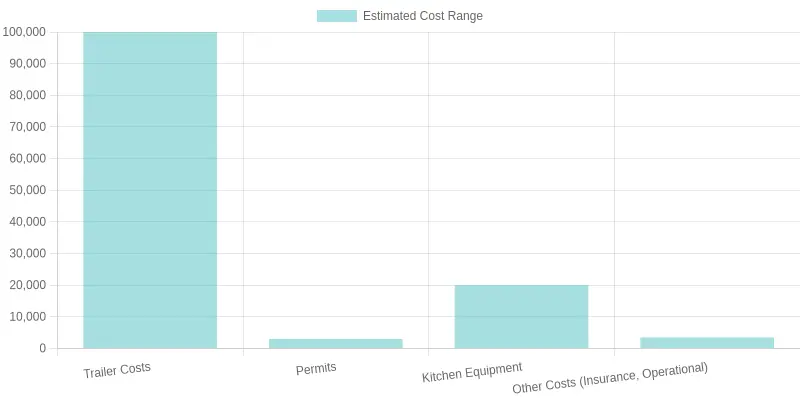
The expenses associated with starting a food truck business can be substantial. It is essential to budget accordingly and consider potential ongoing costs as well. For more insights, you can learn about financial planning for food trucks or get tips on food truck licenses and permits.
Reach Out for Quality Food Trailers
Are you ready to elevate your business with a top-notch food trailer? At Truck Trailer Manufacturing, we understand that purchasing a food trailer is a significant investment. Our commitment to quality and craftsmanship ensures that you receive a trailer perfectly tailored to your unique business needs.
With years of experience in manufacturing, our expertise is unmatched in the industry. We take pride in using only the highest quality materials and state-of-the-art techniques to deliver reliable and efficient food trailers that stand the test of time.
Don’t settle for less when it comes to your business operations. Contact us today for a personalized quote or any support you may need. Our team is ready to guide you through the purchasing process, answering all your questions and helping you make an informed decision.
Whether you’re launching a new venture or looking to upgrade your existing setup, learn more about our offerings and let us be your partner in success. Explore the possibilities, and take the next step in your business journey – connect with us now!
Together, we can create a food trailer that embodies quality and efficiency, ensuring your business thrives in a competitive market.