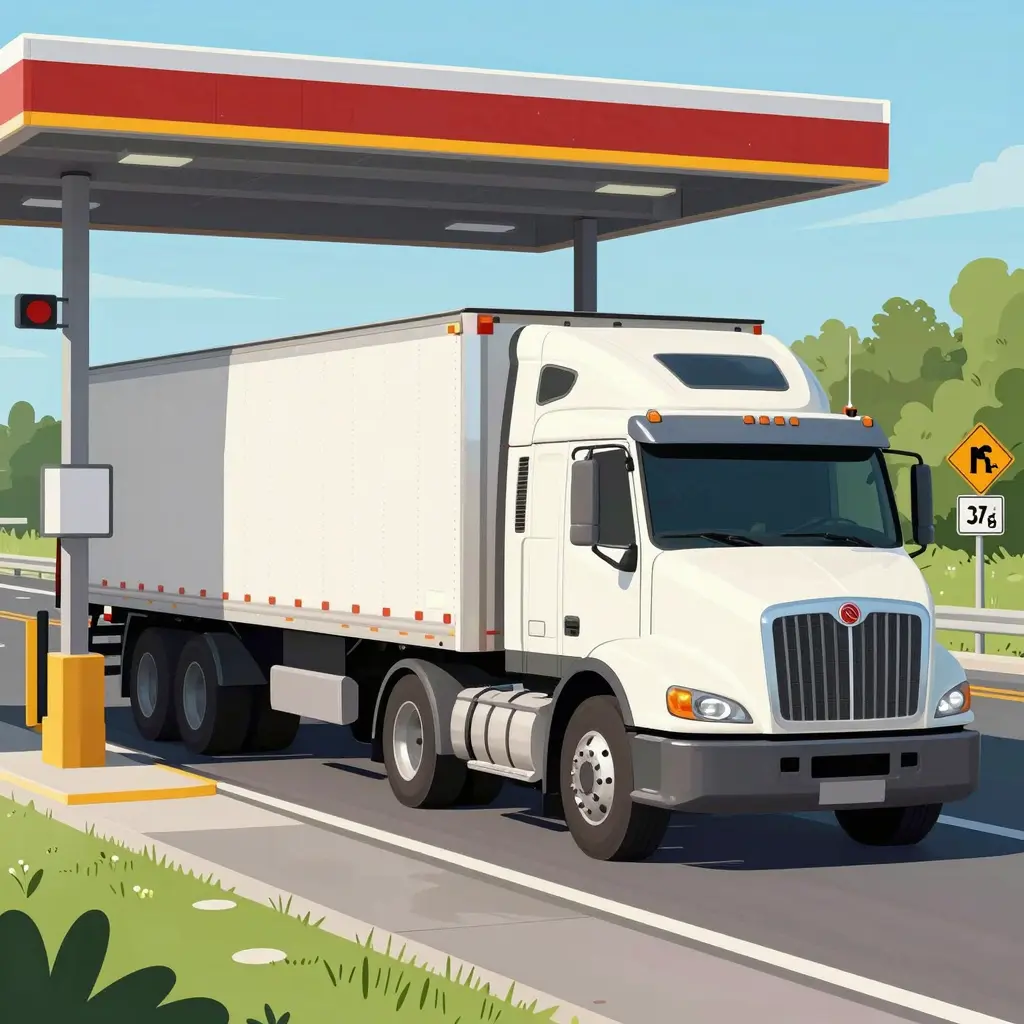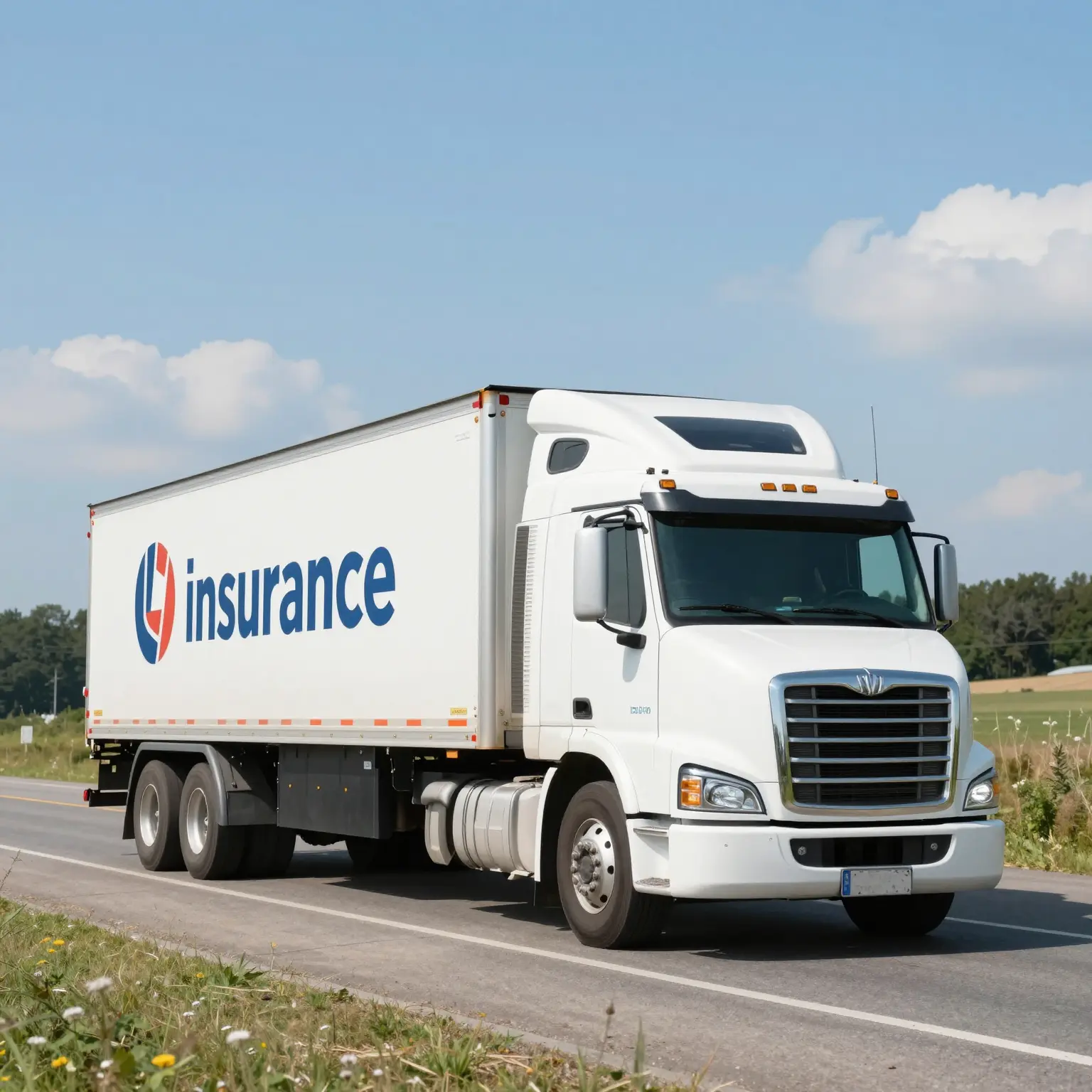
In the realm of logistics and transportation, the importance of semi trailer trucks for sale cannot be overstated. For business owners, these vehicles are not just a means of transportation; they represent a crucial investment that can significantly affect the efficiency, productivity, and profitability of operations. Semi-trailer trucks are the backbone of supply chains, allowing for the movement of goods across vast distances seamlessly. Every day, businesses rely on these powerful vehicles to ensure timely delivery and optimal freight management, which ultimately leads to satisfied customers and repeat business.
However, investing in semi-trailer trucks requires careful consideration and informed decision-making. The market is filled with options, and understanding the different specifications, capabilities, and financial implications of each potential purchase is vital. Business owners must evaluate operational needs, potential return on investment, and the long-term impact on logistics strategies before making a choice. By making informed purchasing decisions, companies can not only secure the right trucks for their needs but also empower growth and increase efficiency in their logistics frameworks. To explore the various options available and understand the factors at play, learn more about reliable cargo trucks and buying a truck trailer to maximize your business potential.
Benefits of Semi Trailer Trucks
Semi trailer trucks are an essential asset for businesses involved in the transportation and logistics sector. Here’s a detailed list of their benefits that enhance business efficiency, provide transport savings, and offer high cargo capacity:
- Cost Efficiency: Semi trailer trucks often reduce overall transportation costs due to their fuel efficiency and low operating costs compared to smaller vehicles. Businesses can save significantly by utilizing fuel-efficient models, making them a perfect investment for long-haul transport.
- Increased Cargo Capacity: One of the most significant advantages of semi trailer trucks is their high cargo capacity. They can carry an extensive amount of goods in a single trip, which is beneficial for businesses looking to optimize their logistics and reduce the number of trips needed for deliveries. This feature reduces costs associated with fuel and labor in transporting goods.
- Durability: Built to withstand heavy loads and tough road conditions, semi trailer trucks offer durability that standard vehicles do not. This reliability translates to fewer breakdowns and maintenance costs over time, ensuring businesses can deliver goods on time without unexpected delays.
- Flexibility: Semi trailers come in various configurations to accommodate different types of cargo, including refrigerated units for perishables and flatbeds for heavy machinery or construction materials. This versatility increases efficiency by allowing businesses to manage diverse transport needs.
- Improved Business Efficiency: Efficient logistics management is crucial for any business. The higher capacity and flexibility of semi trailer trucks mean businesses can improve delivery times and maintain better inventory management, enhancing overall operational efficiency.
- Safety Features: Modern semi trailer trucks are equipped with advanced safety features, including stability control systems, anti-lock brakes, and improved visibility. These features help protect the cargo, drivers, and other road users, contributing to safer transportation.
- Tax Benefits: Investing in semi trailer trucks may offer tax advantages, such as depreciation deductions. This financial incentive can help businesses minimize their tax burdens.
In summary, investing in semi trailer trucks not only boosts operational efficiency and transport savings but also enables businesses to maintain a competitive edge in logistics. For more insights on how semi trailers can enhance your business operations, learn more about reliable cargo trucks.
Types of Semi Trailer Trucks Available for Sale
When considering options for semi trailer trucks for sale, business owners will find various types designed to meet specific transportation needs. Understanding the different types can help in making an informed decision based on logistical requirements and operational efficiency.
1. Flatbed Trucks
Flatbed trucks are characterized by an open trailer without sides or a roof, making them ideal for carrying oversized loads that cannot be easily loaded into standard enclosed trailers. These trucks are particularly advantageous for:
- Versatility in Loading: Flatbeds allow for cranes or forklifts to easily access cargo from the sides or the top, enabling the transport of machinery, building materials, and other bulky items.
- Ease of Unloading: The open nature means quicker loading and unloading processes, which can be essential for time-sensitive deliveries.
2. Refrigerated Trucks
Refrigerated trailers, or reefers, are built to transport temperature-sensitive goods, such as food and pharmaceuticals. Their primary advantages include:
- Temperature Control: These trucks maintain specific temperature ranges during transit, which is crucial for ensuring product quality and safety.
- Extended Shelf Life: By keeping goods at regulated temperatures, businesses can minimize spoilage and extend the shelf life of perishable items.
3. Dry Vans
Dry vans are enclosed trailers that protect cargo from weather and environmental conditions, making them a standard choice for freight transportation. Their benefits include:
- Protection from Elements: By providing a secure, enclosed space, dry vans guard against weather damage and ensure the safety of the cargo from theft.
- Optimal for Non-Perishable Goods: They are most commonly used for transporting various types of non-perishable items, offering a reliable solution for many logistics operations.
Choosing the right type of semi trailer truck will depend largely on the nature of the goods being transported and the specific logistics involved in the delivery process. For more insights on maximizing your transportation strategies, learn more about reliable cargo trucks and how to buy the right truck trailer.
| Type of Semi Trailer Truck | Specifications | Advantages | Price Range |
|---|---|---|---|
| Dry Van Trailers | Length: 48-53 feet, Width: 8.5 feet | Versatile, good for freight | $30,000 – $60,000 |
| Reefer Trailers | Length: 48-53 feet, Insulated | Temperature control, ideal for perishables | $45,000 – $80,000 |
| Flatbed Trailers | Length: 48-53 feet, No sides or top | Easy loading/unloading | $35,000 – $70,000 |
| Tank Trailers | Varies, typically 2500-5000 gallons | Transport liquids securely | $40,000 – $90,000 |
| Curtain Side Trailers | Length: 48-53 feet, Flexible side | Easy access from all sides | $40,000 – $75,000 |
Summary
- Dry Van Trailers: Ideal for most types of cargo.
- Reefer Trailers: Necessary for perishable goods.
- Flatbeds: Best for large equipment or building materials.
- Tank Trailers: Specialized for liquid transport.
- Curtain Side Trailers: Versatile, facilitating quick load/unload.
For further insights on owning and operating semi-trailer trucks, you can learn more about reliable cargo trucks and trucking regulations.
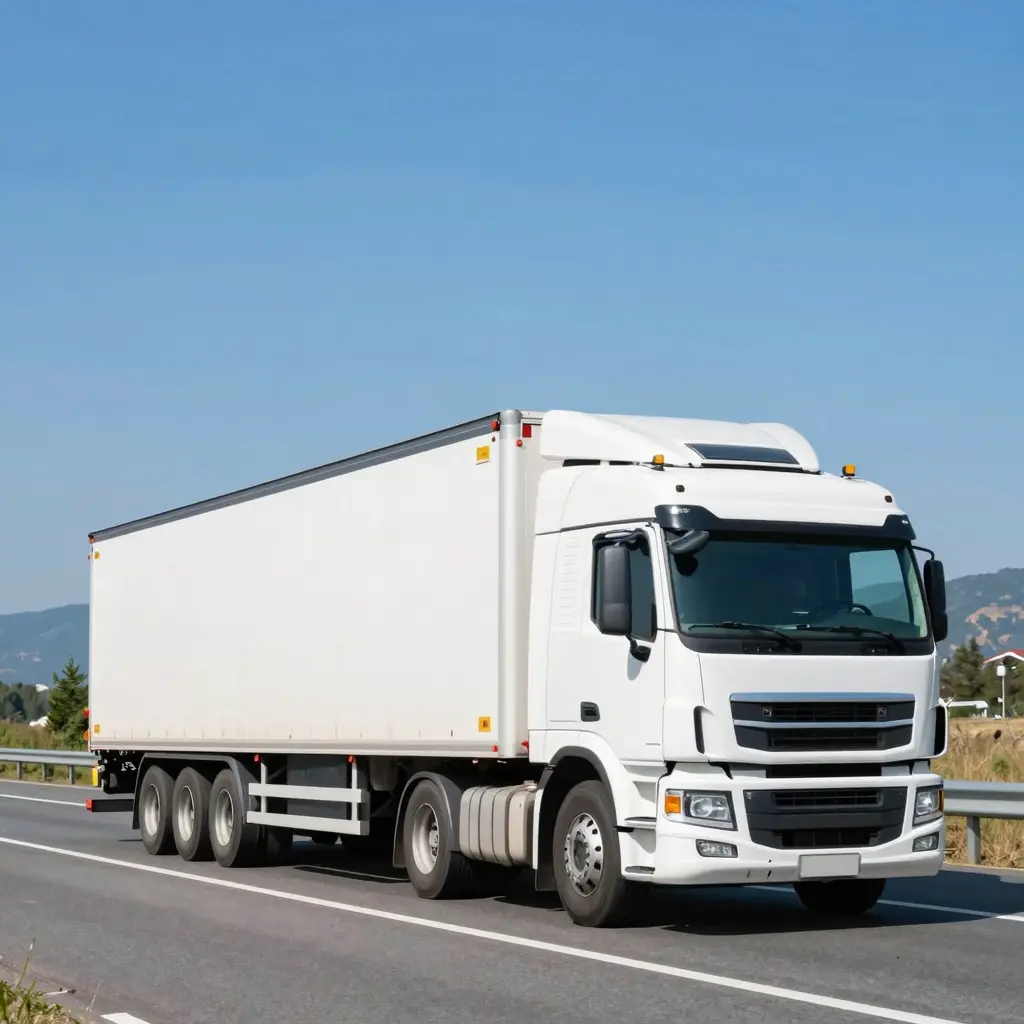
Image of a Semi Trailer Truck

This image depicts a semi trailer truck driving on the highway, showcasing its robust design and utility without any text to maintain visual clarity.
User Testimonials on Semi Trailer Trucks
Investing in semi trailer trucks can transform logistics and operations for businesses. Here are some compelling quotes from business owners who have made the leap:
“Switching to semi trailer trucks has significantly cut our transportation costs. We can now haul larger loads without increasing expenses, making it a smart investment for our growing logistics needs.”
– Sarah T., Logistics Manager, ABC Freight Solutions“The flexibility we gained by owning our fleet of semi trailers has been game-changing. We now handle our schedules better and can meet demand much more efficiently.”
– Daniel R., Owner, Rapid Transport Co.“Our brand image soared after investing in high-quality semi trailer trucks. Clients notice our professionalism and reliability, which has led to increased business opportunities.”
– Jessica M., CEO, Streamlined Shipping Services
These business owners highlight not only the financial benefits but also the operational improvements that come from investing in semi trailer trucks. To learn more about maximizing the potential of such investments, check out our articles on reliable cargo trucks and buying a truck trailer.
By embracing these vehicles, businesses can enhance their logistics and ultimately serve their customers better.
Financial Considerations When Buying Semi-Trailer Trucks
Purchasing semi-trailer trucks is a significant financial commitment that can greatly affect the operational efficiency and profitability of your business. Business owners need to consider various financial aspects, including financing options, potential ROI, and proper budgeting to make informed decisions. Here, we explore these critical components to purchasing semi-trailer trucks.
Financing Options for Semi-Trailer Trucks
When looking to buy semi-trailer trucks, business owners have several financing options available:
-
Loans: Traditional loans are available through banks and credit unions. You will need a good credit score to secure favorable terms. These loans typically require a down payment, often ranging from 10% to 20% of the vehicle’s price.
-
Leasing: This option allows businesses to use the truck without purchasing it outright. Leasing can be an attractive option for those who need flexibility or plan to upgrade to newer models frequently. Monthly payments can be lower than loan payments, allowing you to conserve cash flow.
-
In-House Financing: Many dealers offer in-house financing, which may provide more lenient terms compared to traditional lenders. This can be particularly useful for new businesses lacking credit history.
-
Used Vehicles: Buying used semi-trailer trucks can significantly reduce upfront costs. However, be aware of potential higher maintenance costs that can arise from older models.
To understand various financing strategies in detail, check out this comprehensive guide to semi-truck financing.
Assessing Return on Investment (ROI)
The ROI of investing in semi-trailer trucks can be substantial, especially if managed effectively. Here are key factors that influence the ROI:
-
Mileage and Usage: Higher usage often translates to better ROI. Consistent freight deliveries allow owners to maximize their earnings. As discussed in an article from DRS Trucks, used semi trucks can yield significant profits if properly managed (source).
-
Efficiency: Following good practices for maintenance and operation can reduce downtime and lead to better performance. Regular service can help avoid costly repairs and extend the life of your vehicle.
-
Market Demand: The demand for shipping services directly influences earnings. For instance, as the logistics industry grows, so will the opportunities for semi-truck owners to generate income.
Here’s a look at how various types of semi-trailer trucks typically perform in terms of ROI:
Budgeting for Your Purchase
When planning to buy semi-trailer trucks, budgeting is crucial. Consider these key points:
-
Total Cost of Ownership: Beyond the purchase price, consider insurance, maintenance, fuel costs, and any applicable taxes or fees. An article on commercial truck and trailer insurance outlines the importance of protecting your investment.
-
Emergency Fund: It’s wise to set aside funds for unexpected repairs or operational costs. This will provide peace of mind and financial stability.
-
Income Projections: Analyze how much revenue your trucks are likely to generate based on current market conditions and your business model.
In conclusion, understanding the financial aspects of purchasing semi-trailer trucks is crucial for business owners. By evaluating financing options, potential ROI, and budgeting effectively, you can make a smart investment that supports the growth of your business.
Market Trends of Semi Trailer Trucks Sales
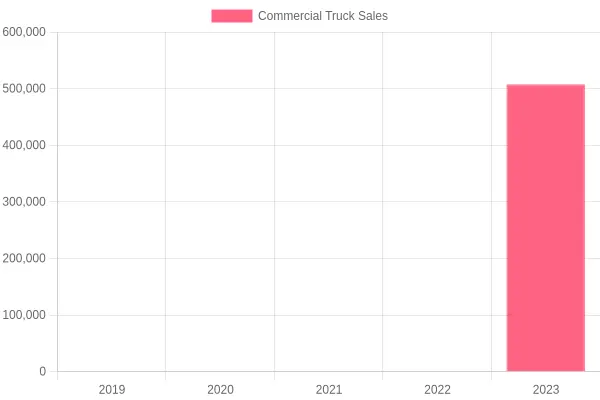
To visualize the growth trends in the semi trailer truck industry, we can observe the commercial truck sales data. In 2023, commercial truck sales reached 507,277 units, marking a significant increase of 7.6% from 2022. This upward trend highlights the revitalization of the trucking industry, especially after pandemic-related slowdowns in previous years.
Here’s a bar chart illustrating the commercial truck sales over the past years:
Insights from the Chart
- 2019-2022 Overview: Although detailed sales figures for the years preceding 2023 were not provided, the significant growth observed in 2023 indicates a recovering market.
- Future Outlook: The trucking industry is anticipated to grow at a CAGR of about 3% through 2027, which suggests ongoing opportunities for businesses engaged in logistics and transportation.
This growth can be attributed to various factors, including the increasing demand for freight services fueled by e-commerce expansion. For detailed insights into maximizing freight efficiency, consider learning more about weight regulations for trucks and trailers.
Conclusion: Driving Your Business Forward with Semi-Trailer Trucks
In conclusion, investing in semi-trailer trucks is a strategic move for business owners looking to enhance operational efficiency and reduce transportation costs. These vehicles not only serve as vital assets in logistics but also provide the flexibility required to adapt to varying shipping needs.
Throughout this article, we explored the numerous benefits of purchasing semi-trailer trucks, including their ability to improve freight capacity, lower operational costs, and upgrade your fleet for better performance. As you consider your options, remember the importance of obtaining multiple quotes. Contacting different companies can help you compare prices, negotiate better deals, and secure the ideal truck tailored to your specific requirements.
Don’t miss out on the opportunity to elevate your business’s logistics capabilities. Reach out to us at Truck Trailer Manufacturing for tailored quotes and expert insights into the best semi-truck options available. Our team is here to assist you in making informed decisions that align with your business goals. Act now, and take the first step toward optimizing your fleet!
Explore Top Semi Trailer Trucks for Sale
Discover an extensive range of semi trailer trucks for sale that cater to the diverse needs of your business. Whether you are looking for new or used trucks, our offerings are designed to empower your logistics operations.
Reasons to Buy Semi Trailer Trucks
- Versatility: Perfect for various cargo types, from heavy loads to temperature-sensitive deliveries.
- Cost-Effectiveness: Semi trailers offer better fuel economy than traditional trucks.
- Scalability: As your business grows, semi trailers can easily adapt to higher capacities.
For more insights on how these trucks can transform your logistics, read about reliable cargo trucks empowering your B2B logistics business.
Types of Semi Trailer Trucks for Sale
- Flatbed Trailers: Ideal for transporting machinery, vehicles, and large goods.
- Reefer Trailers: Perfect for food and temperature-sensitive items.
- Enclosed Trailers: Offers optimal protection for delicate cargo.
Important Factors to Consider When Buying Semi Trailer Trucks
- Weight Regulations: Understanding your truck’s weight classifications is essential for compliance. Learn more about tractor trailer weight regulations.
- Insurance: Ensure adequate coverage for your investment with commercial truck and trailer insurance. Explore your insurance options here.
Where to Find Semi Trailer Trucks for Sale
We provide a comprehensive database of listings with specifications and pricing to help you make informed decisions. Check out our selection at buy truck trailer to get started.
Conclusion
Investing in semi trailer trucks for sale can significantly improve your operational efficiency and capacity for cargo transport. For expert tips and guidance, be sure to explore more articles on our website about trucks and trailers for sale and maximize your freight efficiency.