In the ever-evolving landscape of logistics, understanding the size of a truck trailer is paramount for business owners seeking to optimize operations and enhance profitability. The dimensions of a truck trailer don’t just influence how much freight can be transported; they play a crucial role in determining logistics efficiency, transportation costs, and compliance with regulatory standards. For example, miscalculating trailer size can lead to wasted space and increased fuel expenses, impacting the bottom line significantly. Additionally, every state has specific weight and size regulations that must be adhered to, making compliance a continual challenge for fleet operators. This understanding is not just about fitting cargo; it’s about maximizing freight efficiency and driving business success. By focusing on important factors like trailer and truck weight classifications and understanding the complexities of tractor-trailer dimensions, business owners can make informed decisions that streamline logistics processes while ensuring they stay within legal limits. With the right knowledge at hand, the path to enhancing operational efficiency becomes clear, opening doors to better resource management and cost savings. As we delve deeper, we’ll unravel how the correct choice in truck trailer sizes can make all the difference in your logistics strategy, turning potential challenges into opportunities for growth.
Overview of Truck Trailers
Truck trailers are indispensable components of the transportation industry, serving various industries and businesses around the globe. They are typically towed by trucks and are designed to carry goods, making freight transportation more efficient. Understanding the different types of truck trailers, their functionalities, and primary uses can help business owners make informed decisions about logistics and vehicle operations.
What is a Truck Trailer?
A truck trailer is a non-motorized vehicle designed to be attached to a truck or tractor unit. It can carry an assortment of merchandise, including heavy equipment, consumer goods, perishable items, and various raw materials. Trailers come in various shapes and sizes, tailored to meet specific transportation needs.
Different Types of Truck Trailers
- Flatbed Trailers
- Description: These trailers have a flat surface with no sides or roof, making them suitable for transporting large, heavy loads.
- Uses:
- Hauling construction equipment
- Transporting oversized loads
- Moving machinery
- Popularity: Due to their versatility, flatbeds are commonly used in various sectors, including construction, logistics, and manufacturing.
- Enclosed Trailers
- Description: Enclosed trailers are completely covered, providing protection from the elements. They are often locked for security.
- Uses:
- Transporting vehicles (motorcycles, cars)
- Moving furniture and household goods
- Carrying sensitive equipment
- Advantages: These trailers shield cargo from weather and theft, making them ideal for businesses that value security.
- Refrigerated Trailers (Reefers)
- Description: Refrigerated trailers are equipped with temperature-controlled systems, ensuring that perishable goods are transported safely.
- Uses:
- Shipping food products (meats, dairy, vegetables)
- Distributing pharmaceuticals that require temperature control
- Transporting flowers and other perishable commodities
- Industry Importance: Consistent temperature maintenance helps reduce spoilage, which is crucial in the food and health sectors.
- Dump Trailers
- Description: These trailers feature a hydraulic lift for easy unloading of loose materials, making them a versatile choice for construction-related transport.
- Uses:
- Hauling dirt, gravel, sand, and debris
- Used in landscaping projects
- Benefits: The ability to dump material on-site speeds up project completion and reduces handling time.
- Tanker Trailers
- Description: Tanker trailers are designed to transport liquefied cargo, including liquids and gases.
- Uses:
- Transporting fuel and gas
- Moving chemicals and food-grade liquids
- Safety Features: These trailers often have specific design features to prevent leaks and ensure safe transport.
- Lowboy Trailers
- Description: Lowboy trailers have a lower clearance, allowing them to transport oversized or heavy items while staying within height restrictions.
- Uses:
- Hauling heavy machinery like bulldozers and excavators
- Transporting wind turbine blades
- Regulatory Compliance: Businesses using lowboy trailers often need to navigate specific state transportation regulations due to the height of their loads.
Primary Uses in Business
Truck trailers play a vital role in a company’s logistics and supply chain operations. Here are some primary uses:
- Freight Transportation: Most businesses rely on trailers for moving goods efficiently from distributors to markets.
- Construction: Many construction companies depend on trailers to transport heavy equipment and supplies to job sites.
- Food Service: The food industry, including restaurants and distributors, use refrigerated trailers to maintain the quality and safety of food items.
- Manufacturing: Factories often use trailers to ship raw materials in and finished products out.
These trailers not only facilitate the movement of goods but also help businesses save time and reduce transportation costs. For instance, investing in high-quality trailers can improve a company’s logistics efficiency, which is essential in a competitive market. Furthermore, understanding reliable cargo trucks can help business owners streamline their operations.
In conclusion, truck trailers are more than just vehicles; they are crucial assets that can greatly influence a company’s operational efficiency, especially in businesses heavily reliant on transportation. As you consider expanding or upgrading your fleet, remember that selecting the right type of trailer plays a significant role in maintaining your business’s competitive edge. For more information on purchasing truck trailers, check out our guide on how to buy truck trailers.
Dimensions of Common Truck Trailers
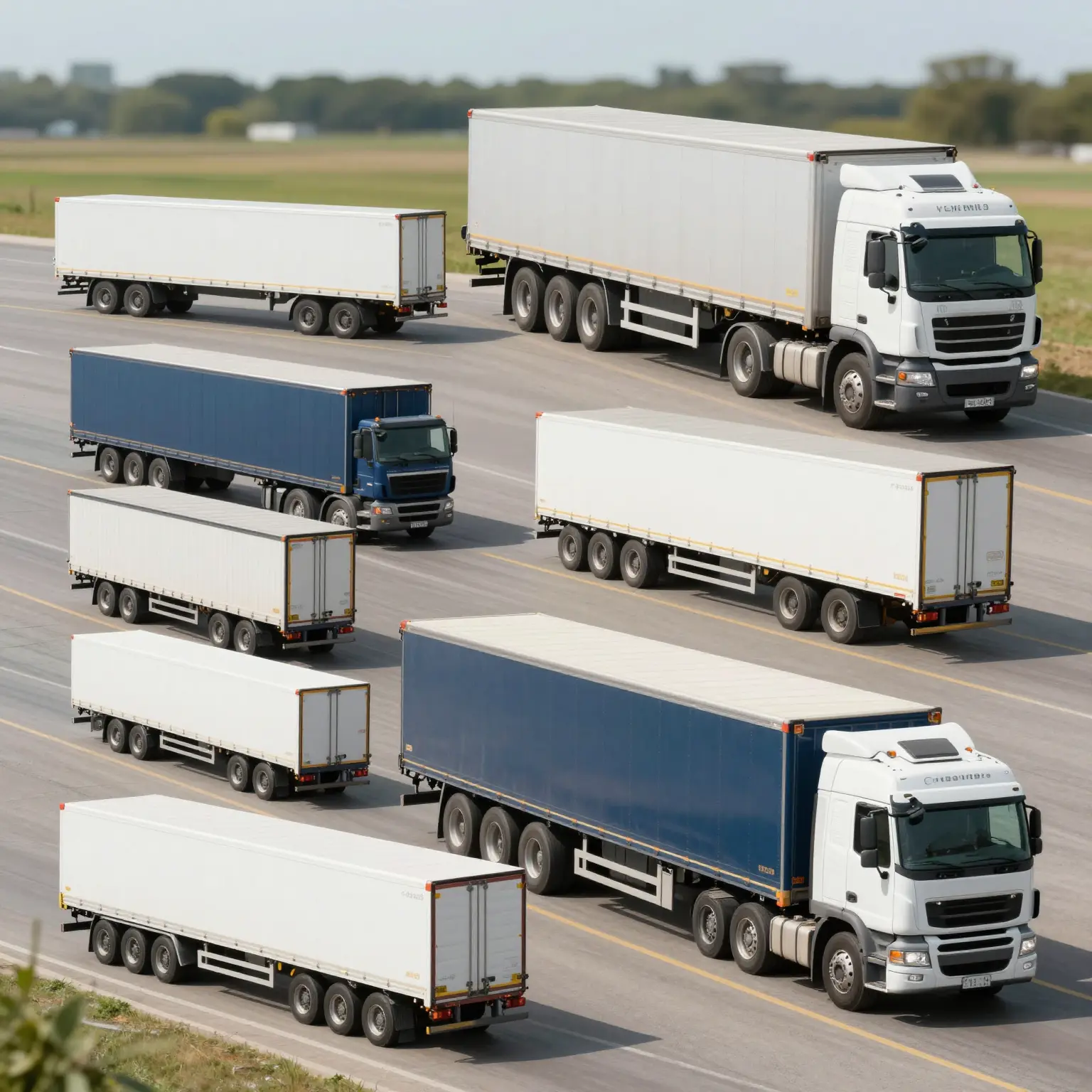
When it comes to the logistics and transportation industry, understanding the standard dimensions of truck trailers is essential for optimizing operations. Below, we discuss the characteristics of various common trailer types, including their standard lengths, widths, and heights in both metric and imperial measurements.
1. Flatbed Trailers
Flatbed trailers are among the most versatile types available, often used for transporting oversized or heavy loads that cannot fit inside enclosed trailers. Their dimensions are as follows:
- Length:
- Standard Length: 12.2 m (40 ft – 53 ft)
- Width:
- Standard Width: 2.5 m (8.5 ft)
- Height:
- Standard Height: 1.5 m (5 ft)
2. Dry Van Trailers
These are commonly used for carrying a wide variety of cargo that requires protection from weather and theft. Here are the standard dimensions:
- Length:
- Standard Length: 13.6 m (45 ft – 53 ft)
- Width:
- Standard Width: 2.5 m (8.5 ft)
- Height:
- Standard Height: 2.5 m (8.5 ft)
3. Refrigerated Trailers (Reefers)
Reefers are similar in length to dry vans but have specialized cooling systems. They are used for perishable cargo.
- Length:
- Standard Length: 13.6 m (45 ft)
- Width:
- Standard Width: 2.5 m (8.5 ft)
- Height:
- Standard Height: 2.6 m (8.5 ft)
4. Tanker Trailers
Used primarily for transporting liquids, bulk products, and chemicals, tanker trailers must be built to contain pressures and prevent spills.
- Length:
- Standard Length: 7.6 m – 13.7 m (25 ft – 45 ft)
- Width:
- Standard Width: 2.6 m (8.5 ft)
- Height:
- Standard Height: 3.1 m – 4.1 m (10 ft – 13.5 ft)
5. Car Haulers
These are specifically designed for transporting vehicles and have unique configurations to secure them during transit.
- Length:
- Standard Length: 8.5 m – 16.2 m (28 ft – 53 ft)
- Width:
- Standard Width: 2.6 m (8.5 ft)
- Height:
- Standard Height: 1.2 m – 1.8 m (4 ft – 6 ft)
6. Dump Trailers
Typically used in construction and mining, dump trailers are designed for bulk loads that need unloading capabilities.
- Length:
- Standard Length: 3 m – 6 m (10 ft – 20 ft)
- Width:
- Standard Width: 2.4 m (8 ft)
- Height:
- Standard Height: 1.2 m – 1.8 m (4 ft – 6 ft)
7. Livestock Trailers
These are designed for transporting animals safely with adequate ventilation and space.
- Length:
- Standard Length: 6.1 m – 12.2 m (20 ft – 40 ft)
- Width:
- Standard Width: 2.4 m (8 ft)
- Height:
- Standard Height: 1.8 m – 2.4 m (6 ft – 8 ft)
Conclusion
Understanding these standard dimensions helps business owners make informed choices when selecting trailers for their fleet. Matching the correct trailer type to cargo requirements ensures maximum efficiency and safety while minimizing costs. For in-depth information on selecting the right trailer, check out our guide on buying a truck trailer and learn more about reliable cargo trucks to empower your logistics business.
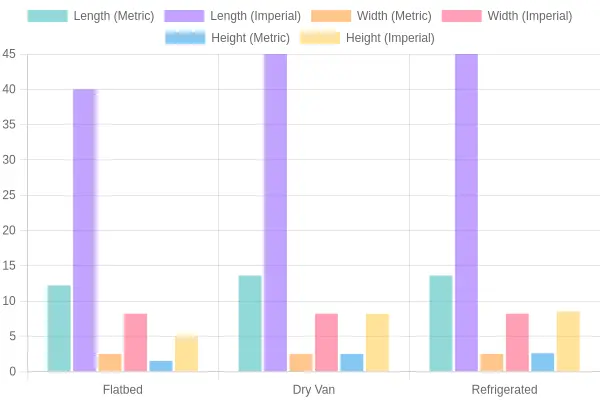
Trailer Dimensions Comparison Chart
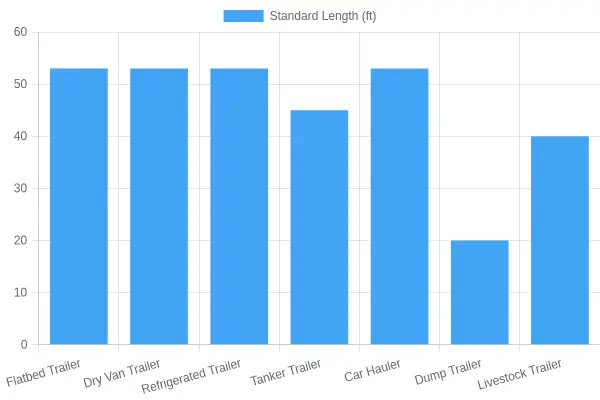
For anyone involved in the transport industry, knowing the dimensions of these common trailers can help streamline operations and ensure that all regulations concerning loads and weights are adhered to efficiently.
| Trailer Type | Length (ft) | Width (ft) | Height (ft) | Typical Use | Load Capacity (lbs) |
|---|---|---|---|---|---|
| Flatbed Trailer | 24 – 53 | 8.5 | 4 – 5 | Large cargo, machinery, construction items | 10,000 – 40,000 |
| Enclosed Trailer | 12 – 28 | 8.5 | 8 – 10 | Transporting sensitive cargo (e.g., tools) | 7,000 – 13,000 |
| Reefer Trailer | 48 – 53 | 8.5 | 13.5 | Perishable goods (food, pharmaceuticals) | 40,000 |
| Dump Trailer | 14 – 20 | 8.0 | 4 – 6 | Loose materials (sand, gravel, demolition) | 10,000 – 20,000 |
| Lowboy Trailer | 24 – 40 | 8.5 | 12 – 13 | Heavy equipment transport | 40,000 – 50,000 |
Key Considerations:
- Length: Trailer lengths typically range from 24 to 53 feet. Select based on your load requirements and legal regulations.
- Width: Most trailers have a standard width of about 8.5 feet to comply with road regulations.
- Height: Standard highway trailers can reach heights of about 13.5 feet.
- Load Capacity: Varies significantly with trailer types; be sure to consider this when selecting a trailer for your business needs.
For a more in-depth analysis of trailer options or to explore available products, you can learn more about trailer options here. If you’re concerned about weight regulations, consider reading about tractor trailer weight regulations.
Regulatory Considerations for Truck Trailer Sizes
When it comes to operating in the trucking industry, a solid understanding of legal regulations surrounding truck trailer sizes, weight limits, and height restrictions is essential. These regulations not only impact the safety of the roadways but also significantly influence operational efficiency and logistics planning for businesses.
Federal and State Regulations
In the United States, the Federal Highway Administration (FHWA) establishes specific regulations governing the maximum size and weight of commercial vehicle combinations. Here’s a brief breakdown of the primary regulations:
- Maximum Weight Limit: The federal weight limit for tractor-trailer units is generally set at 80,000 pounds for the gross vehicle weight. This combines the truck, trailer, and cargo weight. More specifically, the limits are:
- Single Axle Weight Limit: 20,000 pounds
- Tandem Axle Weight Limit: 34,000 pounds
Furthermore, some states may implement their own regulations that are stricter than federal guidelines. This includes specific limits along designated routes or local areas. For instance, routes with lower-than-standard bridges may require trucks to comply with lower height regulations. Thus, a deep understanding of both federal and local regulations is vital for compliance.
- Height Restrictions: The standard maximum height for commercial vehicles is typically between 13 feet 6 inches to 14 feet across most states. This height is crucial for navigating under bridges and overhead obstructions.
Implications for Business Logistics
Understanding these regulations is not merely a legal formality; complying with these rules can profoundly affect logistics operations, cost management, and efficiency of transporting goods. Here’s how:
-
Route Planning: Knowledge of the height and weight limits will directly influence route selection. Businesses may need to choose alternative paths to avoid low bridges or weight-sensitive areas, impacting delivery time and fuel costs.
-
Vehicle Selection: Companies must ensure that their vehicles are capable of complying with legal limits. This may lead to additional costs when purchasing or leasing vehicles that meet these requirements. It’s not uncommon for businesses to invest in specialized equipment to navigate various state regulations effectively.
-
Risk Management: Non-compliance with trailer size regulations can lead to significant financial penalties. Therefore, ensuring that all vehicles adhere to legal limits will prevent unexpected fines and delays in deliveries. Furthermore, businesses face the risk of damaging their reputation if they are frequently penalized for non-compliance.
-
Logistical Efficiency: Efficient compliance planning can streamline logistics operations, leading to fewer delays and faster turnaround times. When companies adhere to vehicle regulations, they can optimize their fleet management and operational strategies, ensuring the timely delivery of goods and maintaining customer satisfaction.
Safety and Infrastructure Integrity
Regulatory considerations are also rooted in safety principles. Overloaded or oversized trucks can compromise road safety, leading to increased risk factors such as accidents or crashes on the highways. Moreover, excess weight can damage public infrastructure, which imposes long-term costs on the transportation network.
As a result, both the Federal Motor Carrier Safety Administration (FMCSA) and various state agencies actively monitor compliance with weight and height regulations to maintain the safety and integrity of the roads.
Conclusion
In summary, understanding and adhering to truck trailer regulations regarding weight limits and height restrictions is critical for business owners in the trucking industry. From operational planning to compliance and cost management, these regulations have far-reaching effects on logistics efficiency and safety. To dive deeper into how these regulations can affect your specific operational needs, you can learn more about tractor-trailer weight regulations and their implications for your logistics strategy.
For businesses aiming to thrive in a regulatory environment, it’s essential to stay informed and prepared with accurate knowledge of these legal parameters and adjust operations accordingly. By doing so, you can enhance your logistical framework while avoiding costly fines and safety hazards related to non-compliance.
Weight Distribution Across Different Trailer Types
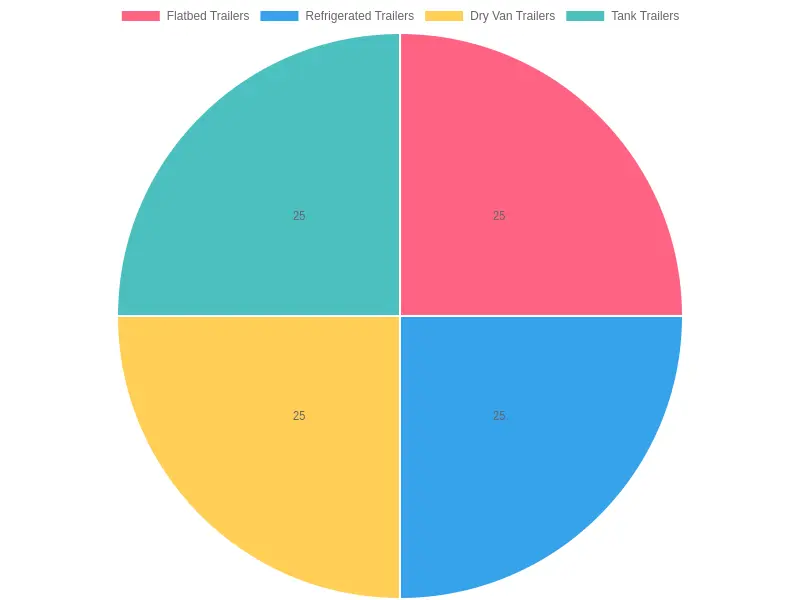
Understanding the weight distribution limits for various types of trailers is critical for ensuring safety and compliance with regulations. Below is a chart visualizing the recommended weight distribution for distinct trailer types.
Overview of Trailer Types
- 5th Wheel Trailers: Typically rated between 20,000 to 30,000 lbs GVWR. Weight distribution should aim for approximately 60% on the front axle and 40% on the rear for improved handling.
- Gooseneck Trailers: Designed for larger loads, these can exceed 30,000 lbs. Effective weight placement is vital for stability.
- Bumper Pull Trailers: Generally designed for 2,000 lbs to 10,000 lbs GVWR. Keeping 10-15% of the trailer weight on the hitch is recommended for safer towing.
- Flatbed Trailers: Weight limits vary widely, often ranging between 10,000 lbs to 40,000 lbs, depending on configuration, with proper weight distribution across axles being essential.
For a deeper dive into trailer weight regulations, learn more about tractor trailer weight regulations.
Choosing the Right Trailer Size: A Comprehensive Guide for Business Owners
When it comes to transport logistics, selecting the appropriate trailer size is critical for efficiency and cost-effectiveness. This decision directly impacts operational performance, so it is essential for business owners to consider several factors carefully. Here’s a guide to help you select the right trailer size based on your specific logistics needs and goals.
1. Assess Your Cargo Type and Weight
The first step in choosing a trailer size is understanding the type and weight of cargo you will be transporting:
- Load Type: Different types of cargo require different trailer types. For example:
- Flatbed Trailers: Ideal for non-enclosed loads like machinery and construction materials.
- Reefer Trailers: Used for perishables, these refrigerated trailers generally range from 48 to 53 feet in length.
- Tanker Trailers: Suitable for liquid transport but size varies based on liquid type and load.
- Load Weight: Make sure to consider the weight of your cargo. Each trailer has defined weight limits. Selecting a trailer that accommodates your load weight without exceeding the limits is crucial for compliance with transportation laws,
with penalties for violations potentially costly.
2. Evaluate Your Route and Distance
Your operational routes and the distances involved will also play a significant role:
- Urban vs. Rural Routes: City driving often demands smaller trailers for easier maneuverability, while larger trailers may be more efficient for highways and long-distance routes.
- Frequency of Use: If you transport loads frequently on a certain route, optimizing trailer size can lead to increased fuel efficiency and reduced transport costs.
3. Consider Loading and Unloading Facilities
Before making a final decision, analyze your loading and unloading facilities:
- Maneuverability: Ensure that the sites where you load and unload can accommodate the trailer size. Work environments with tight spaces may necessitate a smaller-size trailer.
- Equipment Availability: Determine if the loading equipment (e.g., forklifts, docks) can handle the trailer size, as improper fit can lead to delays in logistics operations.
4. Regulatory Compliance and Local Laws
Regulations concerning trailer dimensions and weight vary by location:
- Legal Requirements: Be aware of local and national regulations surrounding dimensions and weight limits. Different states may have varying laws, so it’s crucial to stay compliant to avoid fines or operational issues. Learn more about tractor trailer weight regulations here.
5. Operational Efficiency and Business Goals
Finally, think about your broader business goals and operational efficiency:
- Usage Frequency: If a trailer will be used for specific loads only infrequently, a specialized trailer may be more beneficial.
- Flexibility: A larger trailer can provide flexibility for handling different types of cargo, which can enhance overall business operations.
Summary Table
| Trailer Type | Common Length | Ideal For |
|---|---|---|
| Flatbed | 48 ft | Machinery, construction materials |
| Reefer | 48-53 ft | Perishables |
| Tanker | Varies | Liquid transport |
| Enclosed Van | 48-53 ft | General cargo |
Conclusion
In summary, choosing the right trailer size involves multiple considerations including cargo type, route, loading facilities, regulatory compliance, and operational efficiency. For business owners, understanding these variables will ensure better logistics management and optimization. If you need to explore buying a truck trailer or understanding specific types, feel free to delve into additional resources offered on our website.
Conclusion and Call to Action
In conclusion, the size of a truck trailer significantly impacts various aspects of business operations within the logistics sector. Whether you are a small-scale enterprise or a large corporation, selecting the appropriate trailer size can enhance efficiency, reduce transportation costs, and ultimately bolster your bottom line. By carefully considering your company’s specific needs-such as the type of cargo being transported and the weight limitations set by regulations-you can make informed decisions that align with your operational objectives.
The importance of informed decision-making cannot be overstated in today’s competitive market. When businesses leverage comprehensive data and analytics, they not only optimize their logistics but also enhance customer satisfaction. According to various studies, companies that prioritize analytics in their decision-making processes enjoy greater agility, higher responsiveness to market changes, and reduced waste. For a deeper understanding of how logistics decisions can affect your business, consider exploring resources on the role of decision-making in logistics.
We at Truck Trailer Manufacturing are committed to providing you with the insights and tools you need to succeed in your logistics endeavors. If you have questions about trailer sizes, their specifications, or how to select the right trailer for your business needs, don’t hesitate to reach out. Our team is here to help you navigate the complexities of trailer selection and operations.
Contact us today to learn more about how we can assist you in optimizing your transport solutions!