Exploring the Food Truck Movement: Opportunities Await
In recent years, the food truck for sale market has paved the way for aspiring entrepreneurs to dive into the culinary world without the hefty overhead costs associated with establishing a traditional restaurant. As consumer preferences shift toward convenient and gourmet street food options, food trucks and trailers have surged in popularity, making them an appealing choice for new business owners in the food industry. These mobile kitchens not only offer flexibility in location but also reduce the risks linked to real estate investments. With a variety of designs and sizes available, entrepreneurs can find a food truck that aligns perfectly with their business vision-whether they’re serving gourmet sandwiches, artisanal tacos, or decadent desserts.
The dynamic food truck scene fosters creativity and personal expression, allowing chefs to showcase their unique culinary skills while connecting with communities. It’s no wonder that many budding restaurateurs are looking for a food truck for sale as their initial venture into the exciting world of food entrepreneurship. In this article, we will explore essential considerations when buying a food truck, guide you through various options available, and discuss how to make your mobile food business successful. If you’re ready to take the plunge into this thriving industry, learn more about the benefits of mobile food services and discover your perfect food truck today!
Stay tuned as we delve deeper into the factors that make food trailers an irresistible option for new business owners.
Get in Touch with Us!
Are you ready to take the next step in purchasing your very own food truck or trailer? We’re here to help you with any inquiries, quotes, or support you may need. Our team understands the unique challenges business owners face in the food industry, and we want to ensure you have all the information necessary to make the best choice for your venture.
Contact Us Today!
- Inquire About Our Options: Whether you’re looking for custom designs or ready-made solutions, our extensive range of food trucks and trailers has something for everyone.
- Request a Quote: Get a personalized estimate to help with your budgeting and planning.
- Need Support? Our experts are just a message away. Reach out for any questions or assistance during your selection process.
Visit us at Truck & Trailer MFG to browse our latest offers and discover how we can support your food business goals!
| Type of Food Truck/Trailer | Size | Price Range | Equipment Included |
|---|---|---|---|
| Mobile Kitchen Trailer | 16 – 30 feet | $20,000 – $50,000 | Cooking appliances, sinks, refrigeration units |
| Cart Trailer | 6 – 12 feet | $5,000 – $15,000 | Basic cooking equipment, countertop, storage options |
| Specialty Food Trailer | 12 – 24 feet | $10,000 – $40,000 | Specific equipment for type of cuisine (e.g., pizza oven) |
| Concession Trailer | 8 – 20 feet | $8,000 – $30,000 | Serving window, food preparation area, storage units |
Key Takeaways
- Mobile Kitchen Trailers are ideal for full-service operations, equipped with a wide range of cooking and refrigeration capabilities.
- Cart Trailers are smaller and cost-effective for vendors serving quick snacks.
- Specialty Food Trailers cater to specific cuisines, allowing for dedicated setups tailored to those dishes.
- Concession Trailers offer a blend of features suited for outdoor events and fairs.
For more details about purchasing options, you can check out resources like buy a truck trailer or explore trucks and trailers for sale on our website.
The food truck industry has witnessed tremendous growth and transformation over the past few years, particularly in 2023. This evolution is driven by changing consumer preferences, the desire for unique and diverse dining experiences, and new technological advancements that enhance customer engagement and operational efficiency.
Rise in Popularity
The popularity of food trucks can be attributed to various factors:
-
Diverse Culinary Offerings: Consumers are increasingly looking for variety and novelty in their dining options. Food trucks are adapting to these preferences by offering a wide range of cuisines, from traditional street food to gourmet meals. According to trends in 2023, there’s a significant demand for international and fusion cuisines, allowing food trucks to attract a broader customer base.
-
Health-Conscious Options: There is a growing market for healthy and organic food choices. As consumers become more health-conscious, food trucks that highlight nutritious meals, vegetarian and vegan options, and locally sourced ingredients have seen a spike in popularity. This shift reflects a broader trend in the food industry where sustainable and healthy eating is becoming standard.
-
Technology Adoption: The integration of technology in food truck operations has also played a vital role in their rise. Food truck owners are increasingly utilizing mobile apps for ordering, contactless payment systems, and social media for customer engagement. This not only enhances customer convenience but also streamlines business operations.
-
Sustainability Practices: Growing environmental awareness has led food trucks to adopt sustainable practices, such as using eco-friendly packaging, minimizing food waste, and sourcing ingredients from local farms. This commitment resonates well with today’s consumers who prioritize sustainability.
Demographics of Food Truck Owners
The demographics of food truck owners are diverse, reflecting a wide range of backgrounds and experiences:
-
Diverse Ownership: Food truck entrepreneurs come from various ethnicities and cultures, fostering a rich tapestry of culinary offerings. Many are first-time business owners, including chefs and small business enthusiasts who use food trucks as a means to enter the market.
-
Age Range: The food truck business attracts individuals across different age groups, from young entrepreneurs to retirees looking to start a new venture. This diversity allows for an eclectic mix of food styles and business approaches.
-
Regional Variations: While urban areas tend to have more technologically advanced food trucks, rural regions often focus on traditional foods and local specialties. This variance allows food trucks to cater to localized tastes and preferences.
Conclusion
As the food truck industry continues to expand, its future looks promising with ample opportunities for new business owners. Those considering entering the market should pay attention to these evolving trends and demographics. To start the journey, interested parties can explore options for a food truck for sale or learn more about buying a truck trailer. By adapting to consumer demands and leveraging modern technologies, food truck owners can position themselves for success in this dynamic market.
Advantages of Food Trucks for Business Owners
If you’re considering entering the culinary realm, purchasing a food truck or trailer can be a smart move. Here are some compelling advantages:
- Lower Startup Costs: Starting a food truck is generally less expensive than opening a traditional restaurant.
- Flexibility and Mobility: Food trucks can move to various locations, allowing you to reach a diverse customer base and maximize profits by tapping into different markets.
- Menu Testing and Innovation: With a food truck, you can experiment with menu items and easily pivot based on customer feedback and seasonal trends without the financial stakes of a full restaurant.
- Lower Overhead: Compared to brick-and-mortar establishments, food trucks have reduced overhead costs, including lower utility bills and staffing needs.
- Unique Marketing Opportunities: A well-branded food truck can serve as a mobile marketing tool, creating strong brand awareness and a following as you attend local events and festivals.
- Community Engagement: Food trucks often become part of the local culture, fostering loyalty by participating in community events and establishing a connection with customers.
- Trend Adaptability: The food truck industry is currently leaning into gourmet offerings, eco-friendly operations, and technology integration to enhance customer experiences.
By considering these factors, business owners can make an informed decision about starting a food truck venture. Learn more about food truck trends to further understand the dynamic market landscape.
Customer Testimonial Example
“Investing in my food truck was one of the best decisions I’ve made. Not only has it allowed me to bring my culinary passion to the streets, but it also provided financial freedom beyond my expectations. The adaptability and mobility of a food truck have made it easier to test new markets and expand my customer base. I highly recommend pursuing a food truck venture!”
- Sarah Johnson, Owner of Gourmet on Wheels
This testimonial highlights the benefits of owning a food truck, particularly for business owners considering entering the food industry. It emphasizes themes of financial independence, adaptability, and entrepreneurial spirit.
For more detailed insights into purchasing and running a food truck, you can learn more about food trucks and trailers for sale and explore the future of the food truck industry.
Essential Maintenance Tips for Food Trucks
Owning a food truck can be a gratifying venture, but it comes with the responsibility of ensuring that your vehicle operates optimally. Proper maintenance not only prolongs the life of your food truck but also ensures that your business runs smoothly. Here are essential maintenance tips to keep your food truck or trailer in peak condition:
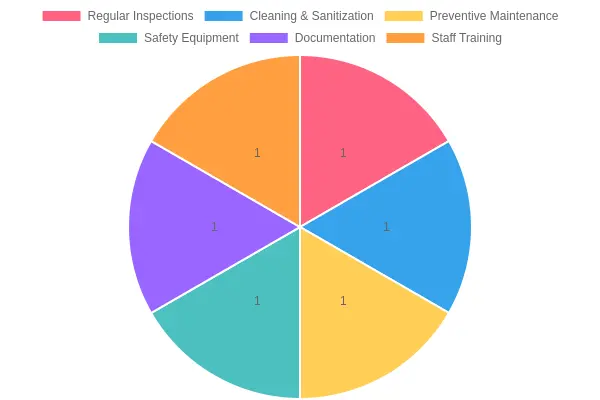
1. Regular Inspections
Conduct routine inspections of critical components like the engine, brakes, and the electrical system. Regular checks can help catch potential issues before they develop into costly repairs. Aim to inspect every part of your truck, especially after long trips or heavy usage.
2. Cleaning & Sanitization
Maintain cleanliness both inside and outside the truck. Regularly clean kitchen equipment and ensure that food preparation surfaces are sanitized. This practice is vital not only for compliance with health codes but also for the safety of your customers. Pay particular attention to food storage areas to prevent contamination.
3. Preventive Maintenance
Implement a preventive maintenance schedule, which should include oil changes, tire rotations, and servicing of kitchen appliances. Preventive maintenance helps reduce vehicle breakdowns and extends the lifespan of your truck. It’s a good idea to document these services to track what has been done at each interval.
4. Safety Equipment Maintenance
Ensure that your safety equipment, such as fire extinguishers, first aid kits, and emergency lights, are easily accessible and properly maintained. Regularly check the expiration dates on fire extinguishers and make sure all staff know how to use them correctly.
5. Documentation
Keep a comprehensive maintenance log that includes records of all repairs, inspections, and services performed on your food truck. This documentation can assist if you need to make warranty claims or for any health inspections. Having these records helps maintain high standards and promotes efficiency in operations.
6. Staff Training
Train your staff on the proper use and maintenance of the equipment. By educating them about best practices in operating kitchen appliances and cleaning protocols, you can prevent misuse and help extend their lifespan.
Learn more about food truck regulations here.
Maintenance Importance Chart
Best Practices Checklist

In summary, ensuring the longevity and optimal performance of your food truck is all about maintaining a proactive attitude towards maintenance. By implementing these best practices, not only can you enhance the operational efficiency of your truck, but you also create a safe and enjoyable dining experience for your customers. For those considering a food truck for sale, investing in a vehicle with a strong maintenance history can pay off in the long run.
Financing Options for Purchasing Food Trucks and Trailers
Investing in a food truck or trailer can be a lucrative venture for aspiring entrepreneurs in the food industry. However, securing the necessary financing is often a pivotal step in actualizing this dream. When considering financing options, buyers can choose from a variety of methods, each with its own benefits and considerations. Here’s an overview of the most common financing avenues available for purchasing food trucks and trailers:
-
Traditional Bank Loans: This is one of the most common methods of financing. While traditional banks offer competitive interest rates, they often require a solid business proposal and collateral, which could be a challenge for first-time buyers.
-
Small Business Administration (SBA) Loans: The SBA is a great option for many buyers. These loans are guaranteed by the government, making them somewhat easier to obtain than conventional bank loans. However, the application process can be lengthy, requiring substantial documentation and proof of business viability.
-
Equipment Financing: This option is specifically designed for purchasing equipment. Buyers can finance the food truck or trailer itself, which often serves as collateral for the loan. This means that if you default, the lender can take possession of the truck, minimizing their risk.
-
Microloans: For those who may need a smaller amount of capital, microloans are an appealing choice, especially for aspiring food truck owners. These loans are often provided by non-profit organizations and local community lenders, making them accessible to new entrepreneurs seeking less traditional funding.
-
Crowdfunding: Platforms like Kickstarter or GoFundMe allow potential business owners to raise money by appealing to the community for support. This can be a great way not only to secure funds but also to promote your concept before launch, building an interested customer base ahead of time.
-
Personal Savings or Investments: Utilizing personal savings or investments from friends and family is another method that many food truck operators find success with. This route requires no interest payments and can often be obtained quicker than traditional financing options.
Key Considerations
When deciding on financing methods, buyers should keep several factors in mind:
- Interest Rates: Always compare interest rates across different financing options to minimize costs.
- Payback Terms: Understanding the repayment timeline is crucial to avoid becoming overwhelmed with repayments soon after investing.
- Initial and Ongoing Costs: Consider the total cost of ownership including permits, insurance, and food supplies, which can significantly affect your financial planning.
- Overall Business Plan: A well-rounded business plan should delineate market analysis, expected expenses, and revenue predictions to encourage lenders or investors to back your endeavor.
Investing in a food truck is an exciting opportunity, but it’s vital to thoroughly research financing options and understand the commitments involved. By making informed decisions, you can significantly increase your chances of success in the food truck industry.
For more information on purchasing and financing, learn more about food truck sales here and explore other types of trucks and trailers for sale.
Conclusion
In conclusion, investing in a food truck or trailer offers numerous advantages that can significantly benefit aspiring entrepreneurs in the food industry. First and foremost, the lower start-up costs associated with food trucks compared to traditional brick-and-mortar restaurants make it an attractive option for business owners looking to enter the market without incurring heavy debt. This affordability enables new ventures to launch and thrive with a smaller financial footprint.
Moreover, the mobility of food trucks allows owners to reach various locations, tapping into different customer bases and maximizing sales opportunities. Whether it’s positioning themselves at local festivals, bustling city streets, or outdoor events, food trucks can reach customers where they are and deliver convenience and gourmet experiences on-the-go. This adaptability extends to menu options, empowering business owners to respond flexibly to consumer trends, seasonal ingredients, and personal preferences.
Additionally, food trucks offer a unique branding opportunity – their mobile nature turns them into walking advertisements, enhancing visibility and recognition. This is particularly valuable for building a loyal customer base, which is essential for long-term success in the food industry. Furthermore, the growing trend towards food trucks in modern dining underscores their significance in promoting accessibility and culinary innovation, encouraging fresh ideas and fostering community connections.
Now is the perfect moment to explore options for purchasing a food truck or trailer that aligns with your vision. At Truck Trailer MFG, we provide a range of high-quality food trucks and trailers designed to cater to your business needs. Don’t hesitate to contact us for more information or to begin your journey into the exciting world of mobile cuisine.
With the right investment, you can unleash your culinary passion and embark on a rewarding adventure in the food truck industry!