Introduction
In today’s competitive business landscape, understanding truck trailer dimensions has become a crucial factor in maximizing operational efficiency and ensuring compliance with regulations. For business owners in logistics and transportation, the specifics of these dimensions can impact everything from freight capacity to legal adherence. Properly sized trailers not only enhance cargo space but also facilitate smoother loading and unloading processes, ultimately leading to better productivity and customer satisfaction. Moreover, navigating the complexities of weight regulations is vital for avoiding costly penalties-knowledge about truck trailer sizes directly influences whether you are operating within these guidelines. In the quest for optimal efficiency, it’s essential to grasp how the right trailer dimensions can influence your bottom line and operational capabilities. By delving into the particulars of truck trailer dimensions, businesses can unlock the door to enhanced performances, improved logistics, and the peace of mind that comes from knowing you’re adhering to industry standards. To learn more about how to empower your logistics operations, check out our article on reliable cargo trucks which explores best practices for maximizing your freight efficiency.
Why Dimensions Matter
Understanding dimensions is not just a technicality; it’s a business imperative. Many owners overlook the significance of proper dimensions, leading to inefficiencies and compliance violations that could have been easily avoided. With this understanding, you can better plan your logistics, make informed purchases, and ultimately improve your service delivery. Whether you are looking to buy a truck trailer or optimize your current fleet, grasping trailer dimensions is the first step toward maximizing your business’s potential.
Comparing Different Truck Trailer Types and Their Dimensions
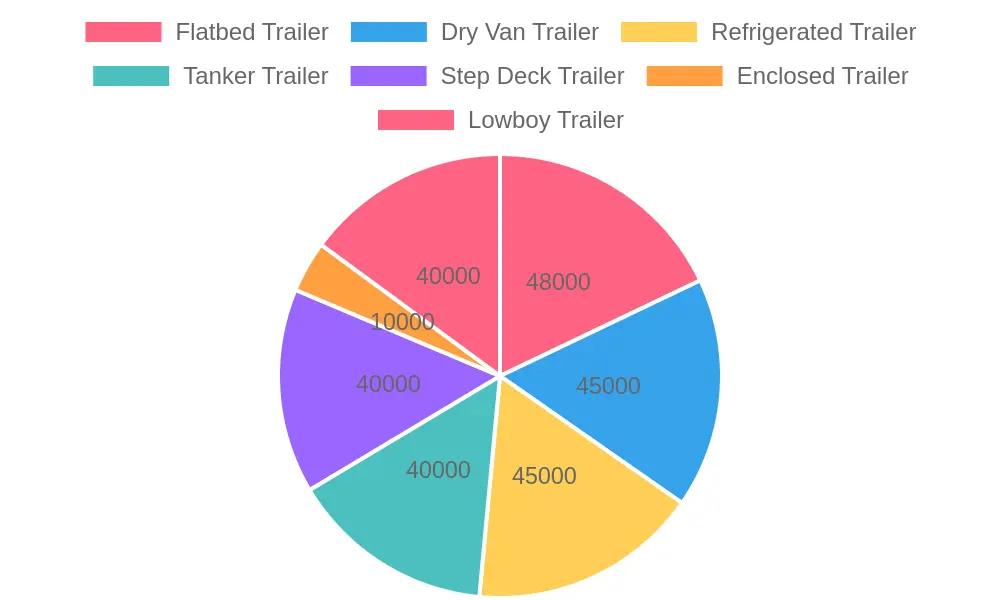
If you’re involved in logistics or transportation, understanding truck trailer dimensions is crucial for optimizing your operations. Below, we’ve compared various types of truck trailers commonly used in the industry, including flatbed, refrigerated, and enclosed trailers, along with their typical dimensions:
| Trailer Type | Length (feet) | Width (feet) | Height (feet) |
|---|---|---|---|
| Flatbed | 48 to 53 | 8.5 | 4 to 5 |
| Refrigerated (Reefer) | 48 to 53 | 8.5 | 6 to 7 |
| Enclosed | 10 to 48 | 8.5 | 6 to 7 |
Key Takeaways
- Flatbed trailers are versatile and often used for heavy loads, while reefer trailers are essential for transporting perishable goods. Enclosed trailers provide security and protection for valuable cargo.
- For more information on specific trailers, you might want to learn more about the dimensions of tractor trailers or explore which types of trailers are best suited for your needs here.
Understanding these dimensions can help you choose the correct trailer type for your logistical requirements and ensure efficient freight transportation.
Understanding the key factors that influence the dimensions of truck trailers is essential for business owners involved in logistics and transportation. Proper trailer size not only ensures compliance with regulations but also maximizes efficiency in freight transportation. Here are several crucial elements that affect trailer dimensions:
1. Cargo Type
- Nature of Cargo: The type of goods being transported greatly influences trailer size. For instance, bulk commodities like grains may require larger trailers for maximum load capacity, while fragile items may need specialized smaller trailers that provide cushioning and protection.
- Weight Considerations: Heavier loads often necessitate stronger, larger trailers, as they must be built to withstand significant weight without compromising safety.
2. State Regulations
- Federal and State Laws: Each state in the U.S. has specific regulations governing the dimensions of trailers. Generally, the Federal Highway Administration sets limits, but states can impose stricter guidelines. For instance, width is typically capped at 8.5 feet, and height at 13.5 feet for commercial trailers. However, many states like Texas and California have unique exceptions for specific vehicle categories.
- Permits and Restrictions: States may require special permits for trailers exceeding a certain length (often 53 feet), especially when traversing bridges or rural roads with limited width.
3. Vehicle Compatibility
- Tractor Size and Capacity: The size of the truck tractor pulling the trailer is a vital consideration. It must have the appropriate horsepower and torque to handle the weight and dimensions of the trailer effectively.
- Turning Radius and Maneuverability: Larger trailers can be more challenging to maneuver. They require swifter turning capabilities, which can be a critical factor in urban and dense areas.
4. Industry Standards
- Common Practices: Industries often establish standards based on the nature of their operations. For example, the shipping industry generally follows specific dimensions for container trailers, which optimize loading and unloading processes.
- Technological Developments: Innovations in manufacturing and materials can lead to changes in trailer design, potentially allowing for larger dimensions without compromising safety or efficiency.
5. Seasonal and Market Demand
- Supply Chain Fluctuations: During peak seasons, demand for certain types of cargo may increase, necessitating larger or more specialized trailers to meet immediate logistical needs. For example, an increase in e-commerce might require more efficient distribution capabilities with larger trailers.
- Market Regulations: As markets evolve, regulations may also change, resulting in adjustments to standard trailer sizes based on new legal frameworks.
In sum, various factors, including cargo type, state regulations, vehicle compatibility, industry standards, and market demand, significantly dictate the dimensions of truck trailers. Business owners should remain informed about these aspects to optimize their logistics strategies effectively. For further insights into optimizing freight efficiency and understanding transportation regulations, consider reading more on reliable cargo trucks and trailer weight regulations.
This overview provides a foundational understanding of the complexities surrounding truck trailer dimensions, enabling business owners to make informed decisions in their operations.
Understanding Truck Trailer Dimensions Regulations
As a business owner in the transportation industry, it’s crucial to have an in-depth understanding of the regulatory requirements regarding truck trailer dimensions. These regulations not only ensure the safety of vehicles on the road but also impact your operational efficiency and overall compliance.
Federal Regulations on Trailer Dimensions
Federal guidelines for truck trailer dimensions are primarily set by the Federal Motor Carrier Safety Administration (FMCSA). These dimensions establish limits for the trailer’s size, significantly affecting transport logistics across state lines. Here’s an overview of the typical maximum dimensions regulated federally:
- Width: 102 inches (8.5 feet)
- Height: 13.5 feet
- Length: Varies by trailer type; generally, it is up to 53 feet for standard semitrailers.
These dimensions apply to interstates and highways, ensuring a uniform measure for safety and efficiency as vehicles navigate across various states.
State-Specific Regulations
While federal regulations provide a framework, individual states may impose additional restrictions or variations on trailer dimensions. Each state has a Department of Transportation (DOT) or equivalent agency that provides specific size limits that may differ from federal guidelines. For instance:
- Some states may allow wider or taller trailers under certain conditions, particularly in agricultural contexts.
- Local jurisdictions may have their licensing requirements or permits for oversized loads, which are often essential for compliance in transporting freight.
As these regulations can vary significantly, it is essential for transport companies and drivers to consult their state’s DOT or related resources for precise rules regarding trailer dimensions. For example, businesses can explore reliable cargo trucks empowering your B2B logistics business for insights.
Legal Implications and Compliance
Failure to adhere to trailer dimensions regulations can result in legal consequences such as fines, penalties, or heightened liability when accidents occur. In the event of an inspection, trucks that do not meet the specified size limits may face significant operational delays or prohibitions from continuing their journeys. These legal implications make it essential for business owners to maintain compliance with both federal and state regulations to enhance safety and operational efficiency.
Conclusion
Understanding trailer dimensions regulations is vital for business owners in logistics and transportation. With both federal standards and state-specific regulations at play, staying informed is crucial to ensure compliance and avoid legal pitfalls. For more detailed insights into truck and trailer dimensions, explore resources like our comprehensive guide on truck trailer sizes.
The Impact of Incorrect Trailer Dimensions on Businesses
Using incorrectly sized trailers can have dire consequences for business owners, often leading to significant financial and operational challenges. Here’s a look at the impacts such decisions can have:
1. Regulatory Fines and Compliance Issues
Every business involved in transportation must adhere to strict regulations regarding truck trailer dimensions. Trailers that exceed legal size limits can result in hefty fines. For instance, companies can face penalties that range from hundreds to thousands of dollars per violation. Moreover, excessive oversize trailers may require special permits, further complicating logistics and incurring additional costs.
Failure to comply not only leads to fines but also can harm a company’s reputation, affecting customer trust and relationships. Regular audits of trailer dimensions and compliance checks are necessary to stay within legal bounds.
2. Operational Inefficiency
Incorrectly sized trailers can create severe operational inefficiencies. For example, a trailer that is too large may lead to difficulties in navigating tight deliveries or unsafe weight distributions. Conversely, a smaller trailer might lead to under-utilization of space, resulting in unnecessary trips that inflate fuel and labor costs.
The inefficiencies can ripple through the supply chain, ultimately causing delays, increased delivery times, and dissatisfied customers. Business owners must ensure that their trucks and trailers match the dimensions needed for their specific operations to maximize efficiency.
3. Increased Risks of Damage
Using trailers that do not fit the designated cargo effectively increases risks of damage-both to the cargo itself and to the trailer. If a load is improperly secured due to inadequate trailer size, it could shift during transit, causing potential damage to products and creating liability issues in the event of an accident. This highlights the need for investing in the right-sized equipment, as the cost of replacing damaged goods or addressing claims can far exceed the savings from using a smaller or improperly sized trailer.
Conclusion
In summary, the impact of incorrect trailer dimensions extends beyond immediate financial implications. From regulatory fines and compliance issues to operational inefficiencies and damage risks, business owners must prioritize having the correct truck trailer dimensions. Investing in proper sizing not only protects businesses from penalties and enhances operational performance but ultimately contributes to building a reliable and trustworthy brand in the logistics sector. For more insights on ensuring compliance and optimizing freight efficiency, consider checking out our article on maximizing freight efficiency and trailer truck weight classifications.
“Understanding trailer dimensions allows businesses to maximize their freight capacities and maintain safety on the roads.”
- Industry Specialist
This insight emphasizes the critical role of truck trailer dimensions in enhancing operational efficiency and ensuring compliance for businesses in the logistics sector. Properly understanding these dimensions not only aids in maximizing freight capacities but also contributes to road safety and compliance with transportation regulations. For more about the importance of selecting the right trucks and trailers, you can learn more about maximizing your freight efficiency.
Understanding Trailer Length and Weight Capacity
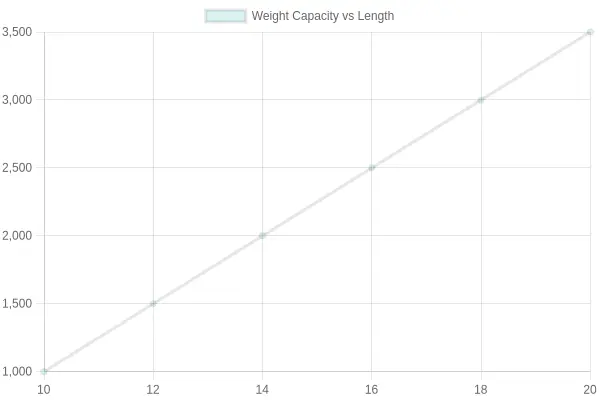
Selecting the correct trailer length is crucial for business owners who depend on hauling heavy cargo. The relationship between trailer length and weight capacity can significantly impact logistics, efficiency, and compliance with regulations. Below is a visual representation of how different trailer lengths correspond to their weight capacities:
Trailer Length and Capacity Overview
| Length (feet) | Weight Capacity (lbs) |
|---|---|
| 10 | 1,000 |
| 12 | 1,500 |
| 14 | 2,000 |
| 16 | 2,500 |
| 18 | 3,000 |
| 20 | 3,500 |
This chart illustrates how as the trailer length increases, the weight capacity also increases. It is essential for business owners to align the trailer size with their intended cargo load to ensure safety and efficiency in operations.
For more detailed insights on truck and trailer specifications, check out this informative guide.
Frequently Asked Questions About Truck Trailer Dimensions
What are the standard dimensions of a truck trailer?
Truck trailers come in various types and sizes, but there are some standard dimensions for the most common trailer types:
- Standard Semi-Trailer: The average length ranges from 40 to 53 feet, with a width of approximately 8.5 feet and a height of about 13.5 feet.
- Flatbed Trailers: Typically, these trailers are about 48 to 53 feet long and 8.5 feet wide. The height varies depending on the load but usually stays within 13.5 feet.
- Reefer Trailers: These refrigerated trailers are generally similar in dimensions to standard semi-trailers but may be slightly taller to accommodate refrigeration units.
- Gooseneck Trailers: These are commonly between 20 to 40 feet in length and can vary widely in width and height based on capacity.
These measurements can vary significantly based on the specific needs of the operation and state regulations. For a detailed breakdown of different trailer types and dimensions, you can learn more here.
How does weight affect trailer dimensions?
Weight plays a significant role in how trailers are designed and dimensioned:
- Weight Capacity: Each trailer has a Gross Vehicle Weight Rating (GVWR) that indicates the maximum safe weight. The design dimensions of a trailer, such as length and height, ensure it can handle this weight without compromising safety and stability.
- Load Distribution: Heavier loads may influence the selection of trailer type and dimensions. For example, flatbed trailers are often used for heavier, bulk loads due to their open design which allows for better weight distribution.
- Regulations: Different regions have strict regulations regarding weight limits. Exceeding weight limits can lead to fines and damage vehicle performance, necessitating consideration in the design and dimensions of trailers.
- Aerodynamics: Heavier trailers might require specific design modifications to enhance aerodynamics, which can influence overall dimensions.
In terms of cargo efficiency, understanding the relationship between weight and trailer dimensions is crucial for optimizing freight logistics. You can read more about maximizing freight efficiency related to weight by visiting this helpful resource.
What factors should I consider when choosing a trailer?
When selecting a truck trailer, consider the following:
- Purpose: The type and size of your cargo will dictate the trailer type.
- Compatibility: Ensure the trailer dimensions are compatible with your tractor unit.
- Weight Regulations: Be aware of regulations that apply to trailer weight and dimensions in your area.
- Durability: Depending on the operating environment, materials and construction may vary in dimensions and durability.
Understanding these factors helps ensure that you select the most appropriate trailer for your business needs.
Conclusion
Choosing the right truck trailer dimensions is crucial for efficient operations in the transportation sector. Whether you’re a business owner looking to expand or improve logistics, knowing the relevant dimensions and how they relate to weight can guide your decision-making process effectively.
For inquiries into purchasing or further exploring truck trailer options, you can always check our buy truck trailers section for more options.
While the specifics may vary between different types of trailers, awareness of standard dimensions and their implications can help you navigate choices in the trucking industry.
Conclusion
In summary, understanding truck trailer dimensions is vital for business owners who aim to maximize their logistics efficiency and ensure regulatory compliance. Trailer dimensions can impact everything from cargo capacity to freight costs. By being informed about the various sizes, such as standard dimensions for single-purpose trailers and multi-temperature vehicles, businesses can make strategic choices that improve operational effectiveness. Furthermore, knowing the different types of trailers available can enable owners to select the right equipment tailored to their specific industry needs.
At Zoomlion, we are committed to supporting your business’s transport and logistics needs by offering a broad range of high-quality truck trailers. Whether you’re looking for general freight trailers or specialized equipment, our expertise ensures you find the perfect solution. We invite you to request a quote or contact us for more information on how we can assist you in achieving your business goals. Don’t miss this opportunity to enhance your fleet with durable and efficient trailers from Zoomlion!