In the logistics industry, understanding truck and trailer sizes is more than just a technical necessity; it’s a strategic imperative for business owners aiming to optimize their operations. The right vehicle dimensions can significantly enhance a company’s efficiency, reduce operational costs, and improve service delivery. With the growing demand for timely and reliable freight transport, it’s crucial for logistics professionals to grasp how varying truck and trailer sizes can impact load capacity, fuel consumption, and comply with regulatory requirements. In this article, we will delve into the fundamental aspects of truck and trailer sizing, including the essential measurements that define their capabilities and how these relate to industry regulations. We will also discuss how choosing the appropriate vehicle can lead to better utilization of space and resources, resulting in increased profitability. To learn more about the specific regulations governing weight classifications and the implications for your logistics operations, be sure to check out our detailed article on tractor-trailer weight regulations and enhance your understanding of vehicle dimensions with our guide on tractor-trailer truck dimensions. Embrace the opportunity to refine your logistics strategy by mastering the intricacies of truck and trailer sizes!
Common Truck and Trailer Sizes
Understanding the various truck and trailer sizes is essential for business owners in logistics and transportation. Below is a list of common sizes and their specifications, along with typical usage scenarios:
-
Light-Duty Trucks
-
Specifications: Up to 6,000 lbs Gross Vehicle Weight Rating (GVWR).
-
Usage: Often used for personal transport and urban deliveries, such as small freight or service work.
-
Medium-Duty Trucks
-
Specifications: GVWR between 6,001 and 26,000 lbs.
-
Usage: Commonly used for delivery vehicles like box trucks, often serving local businesses and distribution centers.
-
Heavy-Duty Trucks
-
Specifications: Over 26,000 lbs GVWR.
-
Usage: Used primarily for long-haul trucking and commercial transport, deploying trailers like flatbeds or dry vans.
-
Flatbed Trailers
-
Specifications: Typically 48 to 53 feet in length.
-
Usage: Ideal for transporting oversized items or equipment, construction materials, etc.
-
Enclosed Trailers
-
Specifications: Sizes range from 16 to 28 feet.
-
Usage: Used for sensitive cargo that requires protection from weather and theft, such as electronics or artwork.
-
Refrigerated Trailers (Reefers)
-
Specifications: Usually 48 to 53 feet in length.
-
Usage: Critical for transporting perishable goods like food and pharmaceuticals.
Conclusion
Choosing the right truck and trailer size is vital for maximizing efficiency and adhering to regulations. For more detailed insights into freight logistics and operational strategies, consider exploring reliable cargo trucks for B2B logistics or commercial truck and trailer insurance.
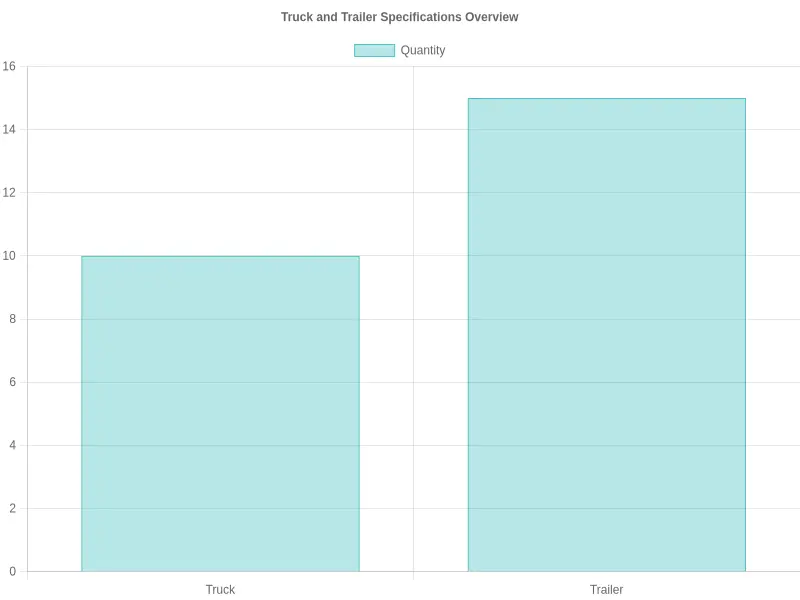
Truck and Trailer Specifications Comparison
Here’s a comprehensive table that outlines key specifications and optimal uses for different truck and trailer combinations based on general industry knowledge:
| Type | Dimensions (L x W x H) | Weight Capacity | Optimal Uses |
|---|---|---|---|
| Flatbed Trailer | 48-53 ft x 8.5 ft x 13.5-14.5 ft | Up to 48,000 – 65,000 lbs | Transporting heavy equipment and construction materials |
| Enclosed Trailer | 48-53 ft x 8.5 ft x 13.5-14.5 ft | Up to 45,000 lbs | Moving sensitive goods and equipment |
| Refrigerated Trailer | 48-53 ft x 8.5 ft x 13.5-14.5 ft | Up to 45,000 lbs | Transporting perishable goods |
| Tanker Trailer | Varies | Up to 80,000 lbs | Transporting liquids like fuel, chemicals |
This comparative table serves as a quick reference guide for business owners looking to understand different truck and trailer combinations. For business logistics, understanding these specifications can greatly enhance decision-making.
For additional insights, learn more about reliable cargo trucks or visit this piece on trailer and truck weight classifications to get an in-depth view of industry standards.
The Importance of Choosing the Right Truck and Trailer Size
In the logistics industry, selecting the appropriate truck and trailer size is crucial for several reasons that encompass efficient logistics, cost-effectiveness, and regulatory compliance. Here’s an overview of why this decision matters:
1. Efficiency in Operations
Choosing the right size for trucks and trailers directly impacts operational efficiency. If a truck is too small, it may require multiple trips to transport the same volume of cargo, thereby increasing time and fuel consumption. Conversely, an oversized truck can lead to unnecessary expenses and may not fit into certain delivery locations. A well-sized vehicle can streamline route planning and enhance overall productivity.
2. Cost-effectiveness
Cost implications are paramount in the logistics sector. The right truck and trailer size maximizes payload capacity, reducing the cost per unit of transported goods. According to industry insights, using the correct size can significantly lower transportation fees due to more efficient loads and decreased fuel consumption. As noted in this article on maximizing freight efficiency, larger trailers can accommodate more cargo but need to be evaluated against their fuel usage to ensure overall cost savings.
3. Compliance with Regulations
Regulatory compliance is another critical factor. Various jurisdictions impose strict regulations on vehicle sizes and weight limits. For instance, the federal gross vehicle weight limit in the U.S. is generally 80,000 pounds, including the cargo. Exceeding these weight limits not only leads to substantial fines but can also harm operational continuity due to potential vehicle impoundment. Ensuring the right trailer size helps to navigate these regulations effectively. For further details on truck size regulations, see this guide on truck and trailer weight regulations.
4. Impact on Fuel Efficiency
Fuel costs constitute a significant portion of a logistics company’s operational expenditures. The size and weight of trucks greatly influence fuel efficiency. Larger vehicles often consume more fuel due to increased drag and weight, but when fully loaded, they may still present lower costs per mile compared to several trips with smaller vehicles. As trucking companies seek to control their fuel expenses, selecting the right truck and trailer size becomes an essential facet of their logistics strategy.
Conclusion
In summary, choosing the right truck and trailer size is instrumental for business owners in the logistics sector. It affects efficiency, cost management, regulatory compliance, and operational strategies. Careful planning and assessment of cargo needs alongside vehicle specifications will lead to optimized logistics operations and increased profitability. By ensuring that your operations align with best practices for truck and trailer sizing, you set your business up for long-term success in the competitive logistics landscape.
Truck Usage Trends by Size
In recent years, the usage of trucks has undergone significant changes. The chart below illustrates the trends in truck usage by size over the past decade, focusing on small, medium, and large trucks. This visual representation helps business owners understand the evolving demands in the marketplace, which can influence purchasing and logistics strategies.
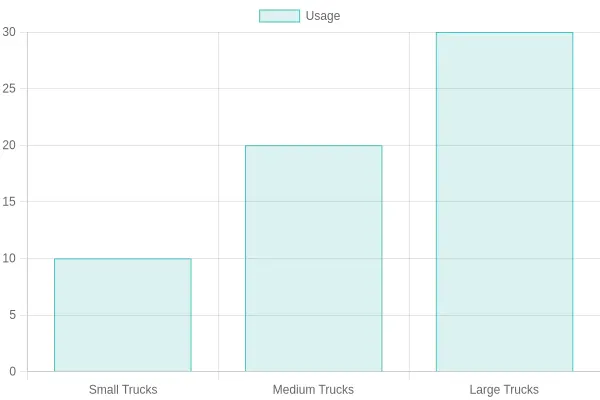
As seen in the chart:
- Small Trucks: Increasing demand driven by consumer preferences for versatility.
- Medium Trucks: Stable usage, largely due to consistent demand in logistics.
- Large Trucks: Moderate fluctuations influenced by regulation and market needs.
This data captures the shifting landscape in the trucking industry and provides crucial insights for stakeholders.
To delve further into strategies for maximizing freight efficiency, learn more about maximizing your freight efficiency with truck trailers.
Truck and Trailer Size Compliance Regulations for Business Owners
As a business owner in the trucking industry, understanding compliance regulations around truck and trailer sizes is crucial for legal operation. These regulations not only ensure safety on the road but also help avoid hefty penalties associated with non-compliance.
Federal Standards
In the United States, the Federal Motor Carrier Safety Administration (FMCSA) regulates the dimensions of trucks and trailers to maintain safety and efficiency on roadways. Key regulations include:
- Maximum Width: 102 inches
- Maximum Height: Generally between 13.5 to 14 feet
- Length Regulations: These vary depending on the configuration; for instance, the maximum trailer length is usually capped at 53 feet.
For a detailed overview, you can check the Federal Size Regulations for Commercial Motor Vehicles.
State Regulations
Each state can impose additional requirements that might change the allowable dimensions. It is essential to familiarize yourself with your state’s Department of Transportation regulations as they may have different size limitations or special provisions for oversized loads. For instance:
- States may allow tractor-trailer combinations up to 65 feet if the trailer is 53 feet in length or less (source: Utah Department of Transportation).
Examples of Regulations
- A typical combination vehicle, such as an 18-wheeler, adheres to a total length of 70-80 feet depending on configuration (source: Truckman Automobile).
- Certain configurations may require special permits, especially if the overall length exceeds standard limits.
Penalties for Non-Compliance
Failing to adhere to these regulations can lead to severe repercussions, including:
- Fines: Penalties can range from hundreds to thousands of dollars depending on the severity of the violation.
- Increased Insurance Premiums: Companies may face higher rates or denial of coverage.
- Operational Restrictions: Non-compliance could result in the grounding of vehicles until adjustments are made.
In some scenarios, repeated offenses may result in the inability to renew operating permits or licenses.
For more information on how to handle your compliance needs effectively, you may find it useful to read about tractor-trailer weight regulations.
Conclusion
Understanding the compliance regulations surrounding truck and trailer sizes is essential for any business operating in the logistics and transportation sectors. By regularly reviewing both federal and state requirements, business owners can mitigate risks associated with non-compliance and ensure the efficiency and legality of their operations. Always stay updated, as regulations can change, and new guidelines may be introduced periodically.
Understanding truck and trailer sizes is essential for logistics operations due to several key factors:
-
Capacity Planning: Different truck and trailer sizes have varied capacities, impacting how much cargo can be transported effectively. Knowing the dimensions enables businesses to optimize load planning and ensures compliance with weight restrictions.
-
Efficiency: Choosing the correct vehicle size can significantly minimize transportation costs. It helps in reducing the number of trips required, leading to better fuel efficiency and improved time management.
-
Regulatory Compliance: Various regions impose regulations concerning the dimensions of vehicles permitted on specific roads. Understanding these regulations is crucial for avoiding fines and maintaining safe operations.
-
Delivery Timeliness: Selecting the appropriate vehicle size ensures timely deliveries, eliminating delays that may arise from overloading or utilizing inadequately sized equipment.
As a prominent logistics consultant might say, “Mastering truck and trailer dimensions is not just about compliance; it’s about maximizing efficiency and ensuring a smooth supply chain.”
For more insights into optimizing freight and understanding vehicle capacities, consider reading about maximizing freight efficiency or tractor-trailer weight regulations.
Conclusion
In summary, selecting the right truck and trailer size is not just about meeting immediate logistical needs; it is a critical decision that impacts operational efficiency, regulatory compliance, cost management, customer satisfaction, and adaptability for future growth. Here are the key takeaways:
- Operational Efficiency: A correctly sized truck and trailer can minimize operational costs by ensuring optimal fuel consumption and maintenance needs.
- Regulatory Compliance: Understanding local regulations regarding vehicle sizes can help avoid penalties and ensure smooth operations.
- Cost Management: The size of your truck and trailer directly influences various costs, including fuel, tolls, and maintenance. Opting for the right size can result in substantial savings.
- Market Needs: Efficiency in logistics is essential for meeting customer expectations, and choosing the wrong sizes may thwart delivery capabilities, leading to dissatisfied customers.
- Versatility: Selecting adaptable truck and trailer sizes can position your business for growth, allowing easier modifications as market demands change.
For business owners focused on optimizing their logistics, understanding the implications of truck and trailer sizes is paramount. If you’re considering acquiring new vehicles, make sure to explore our guide on buying a truck and trailer to help you make an informed decision and improve your freight efficiency.
Additionally, familiarizing yourself with trailer truck weight classifications may also enhance your understanding of how size affects operational compliance and efficiency.
By prioritizing the right equipment choices today, you set the stage for sustainable and profitable business operations tomorrow.
Get in Touch with Zoomlion for Your Truck and Trailer Needs
As a business owner, navigating the complexities of truck and trailer specifications can be a daunting task. Whether you are looking to purchase new equipment or require tailored solutions to maximize efficiency, our team at Zoomlion is here to support you every step of the way.
We understand that each business has unique logistics requirements, which is why we offer customized quotes and personal consultations to align with your specific needs. Our extensive range of trucks and trailers is designed to overcome various challenges in your supply chain, and we are committed to helping you find the perfect fit in terms of size, capacity, and compliance with industry regulations. For insights on optimizing your freight operations, check out our maximizing your freight efficiency blog post.
What sets us apart at Zoomlion is our dedication to providing not just products, but also comprehensive support. Our knowledgeable representatives are ready to answer all your questions – from understanding truck dimensions and weight classifications to ensuring compliance with tractor trailer weight regulations. This way, you can make informed decisions that positively impact your business.
Don’t hesitate to reach out today! Contact us for further information, request a quote, or even just to ask for advice. Finding the right truck or trailer does not have to be overwhelming – with the right partner, it can become a straightforward and rewarding experience. Call us at [your contact number] or fill out our online form to receive tailored solutions that elevate your logistics capabilities!
Choose Zoomlion, where your truck and trailer needs are our priority!